
Tirana Castle: Albania's Hidden Byzantine Fortress in the Heart of the Capital
In the bustling center of Albania's capital lies a remarkable reminder of the country's ancient past. Tirana Castle, also known as the Fortress of Justinian, stands as the only castle within the city limits, offering visitors a unique glimpse into more than 1,700 years of Albanian history. This Byzantine-era fortress has witnessed empires rise and fall, from Roman legions to Ottoman conquerors, and today serves as a vibrant cultural and culinary hub where history meets modern Albanian life.
The Ancient Origins of Tirana Castle
The fortress dates back before 1300 and represents a significant remnant from the Byzantine era. Named after Byzantine Emperor Justinian I, who ruled from 527 to 565 CE, the castle originally served as a defensive fortification protecting vital trade routes connecting the Adriatic coast with the interior highlands.
The fortress sits where the main east-west and north-south roads historically crossed, forming the heart of ancient Tirana. This strategic position made it a crucial defensive point throughout centuries of occupation by Romans, Byzantines, and Ottomans.
Architectural Features and What Remains Today
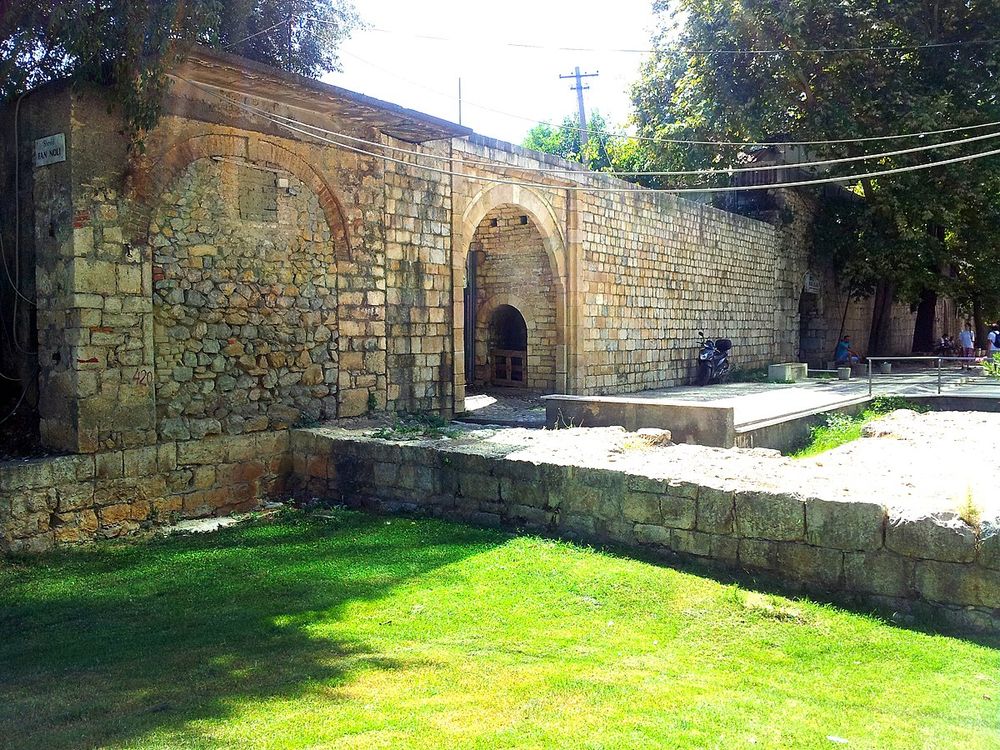
Unlike the imposing medieval castles that crown hilltops throughout Albania, Tirana Castle has been partially absorbed into the urban fabric of the capital. The most visible remnant is a 6-meter (20-foot) high wall from the Ottoman period, its ancient stones now draped with climbing vines that soften its weathered facade. These walls tell a story of continuous occupation and modification over centuries.
The current fortification includes three known towers, though much of the original structure lies beneath centuries of urban development. Recent archaeological excavations have uncovered additional wall foundations, which have been thoughtfully incorporated into the modern pedestrianized Murat Toptani Street. This integration of ancient and contemporary urban planning allows visitors to walk alongside history, quite literally tracing the footsteps of Byzantine soldiers who once patrolled these ramparts.
What You Can Do at Tirana Castle Today
Today, Tirana Castle has transformed from a military fortress into a vibrant cultural and entertainment destination. The castle area functions as a pedestrian-friendly zone where visitors can spend several hours exploring various attractions within the ancient walls.
- Walk alongside the 6-meter-high Ottoman-era walls covered in climbing vines and discover the recently uncovered Byzantine-era foundations integrated into Murat Toptani Street. Information plaques explain the fortress's evolution through different historical periods. The exposed wall sections provide a tangible connection to the fortress's defensive past. According to the Albanian National Committee for UNESCO, Albania's rich archaeological heritage includes numerous Byzantine and Ottoman-era fortifications like Tirana Castle, while the modern mosaic near the Albanian Parliament commemorates Albania's independence.
- Shop for Traditional Crafts: The Old Bazaar houses artisan workshops where craftspeople create handmade pottery, textiles, copperwork, and traditional Albanian souvenirs. You can watch artisans at work using centuries-old techniques and purchase authentic pieces directly from the makers. The shops also offer products that reflect Tirana's specific history, including replicas of historical artifacts and locally-inspired designs.
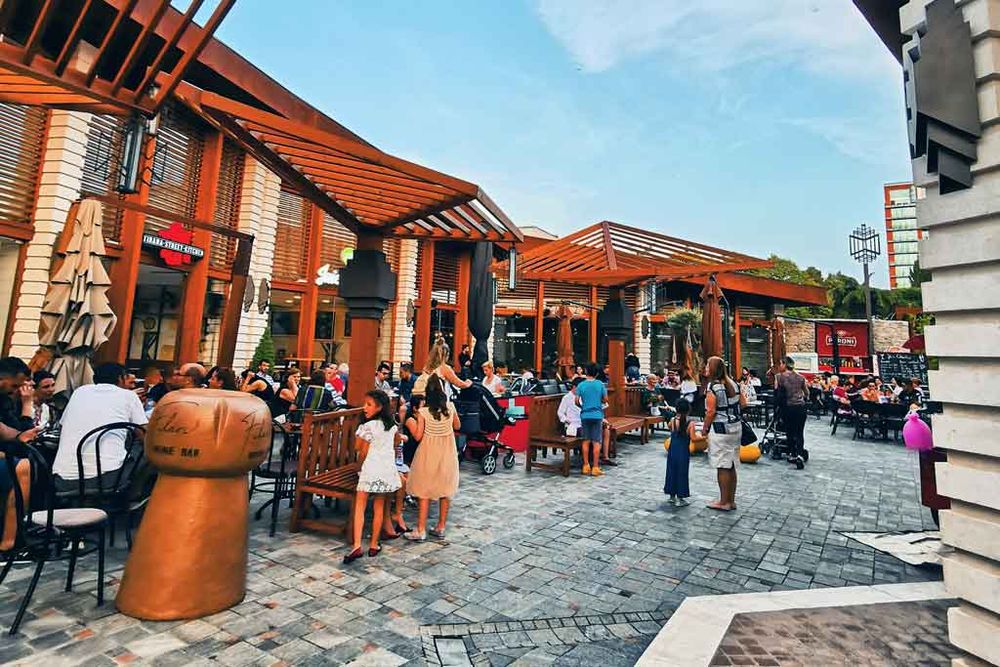
- Dine at Traditional Restaurants: Multiple restaurants within the castle walls serve authentic Albanian cuisine in atmospheric settings. The outdoor seating areas provide pleasant dining experiences with views of the ancient fortifications. You'll find everything from casual cafes to full-service restaurants, all emphasizing traditional cooking methods and local ingredients.
- Attend Cultural Events: The castle regularly hosts traditional music performances, craft demonstrations, and seasonal festivals. These events offer opportunities to experience living Albanian culture in a historic setting. Check local tourism information for current schedules, as programming changes throughout the year.
- Photography Opportunities: The castle provides excellent photo opportunities, from the vine-covered walls to the traditional bazaar architecture. The ancient stones create a romantic backdrop, particularly during morning light when shadows emphasize textures, and at golden hour when the setting sun illuminates the fortress. The Old Bazaar's colorful artisan workshops and traditional architecture offer authentic subjects for photography.
- Evening Entertainment: Several venues within the castle complex offer evening entertainment, including cafes and cultural spaces that remain open after dark. The atmosphere transforms as the sun sets, with lighting highlighting the ancient walls and creating an enchanting environment for dining and socializing.
The castle's central location makes it easy to combine your visit with other nearby attractions, creating a full day of exploration in Tirana's historic center. Most visitors spend 1-2 hours exploring the castle area, though you could easily extend this if you include a meal or attend a cultural event. When planning your visit to Tirana's historical sites, Zenith Travel can help organize comprehensive tours that include Tirana Castle alongside other significant attractions in the capital. Their local expertise ensures you experience the full historical context of each site while managing logistics seamlessly.
Visitor Experience and Practical Information
Tirana Castle is located just steps from Skanderbeg Square, Albania's main plaza, making it easily accessible for visitors exploring the capital. The castle sits near several other important landmarks, including the Albanian Parliament and the Academy of Sciences, allowing for efficient sightseeing routes through the historic center.
The pedestrianized Murat Toptani Street provides direct access to the castle area, creating a pleasant walking experience free from traffic. This street has become one of Tirana's most charming thoroughfares, lined with cafes and offering glimpses of the ancient fortress walls as you approach.
Visiting Hours: The castle area and bazaar are generally open daily, though individual restaurant and shop hours vary. Most establishments operate from late morning through evening.
Entrance: Public access to the fortress grounds and surrounding area is free. Some restaurants and venues within the walls may have their own policies.
Best Time to Visit: Spring (April-May) and autumn (September-October) offer pleasant weather for exploring the outdoor fortress area. Summer evenings are particularly atmospheric, with the bazaar restaurants offering outdoor dining as the sun sets behind the ancient walls.
Getting There: The castle is within easy walking distance from most hotels in central Tirana. From Skanderbeg Square, it's approximately a 5-minute walk. Taxis and ride-sharing services can drop visitors at the nearby pedestrian zone.
Conclusion
Tirana Castle stands as a testament to Albania's resilient spirit and rich historical heritage. From its Byzantine origins through Ottoman rule to its contemporary role as a cultural and culinary destination, the fortress has adapted while retaining its essential character. The ancient walls that once protected against invading armies now welcome visitors seeking authentic connections with Albanian history and culture.
Whether you're exploring the archaeological remains, shopping for traditional crafts, savoring Albanian cuisine, or simply absorbing the atmosphere of this historic site, Tirana Castle offers experiences that connect past with present. It represents not just Albania's history but its future—a nation proud of its heritage and eager to share it with the world.
For travelers seeking to understand the layers of history that have shaped modern Albania, Tirana Castle provides an accessible, engaging starting point. Its central location, combined with the living culture preserved within its walls, makes it an essential stop on any Tirana itinerary. Here, in the shadow of Byzantine walls, you'll discover the authentic Albania that has endured through centuries of change.