
Blue Eye Albania: Beyond the Instagram Photos
Why Blue Eye Matters Beyond the Blue Water
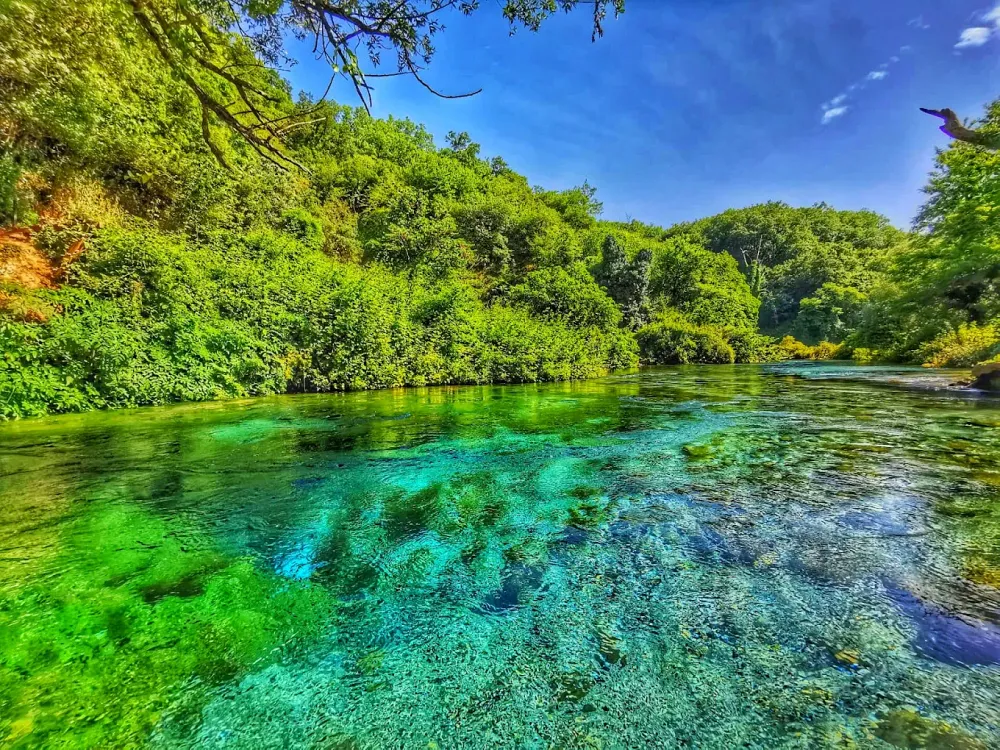
Blue Eye appears in countless travel photos a quick stop on southern coastal routes where visitors photograph the electric-blue water and move on. But this approach misses what actually makes the site interesting.
The spring is a geological window into Albania's landscape. The year-round freshwater flow (approximately 6,000 liters per second), the mineral composition, and the underground cave systems feeding it reveal how natural systems work. The water's intense blue color results from depth and purity light absorption through pure freshwater creates that visual impact. But this only exists because underground aquifers continuously feed the spring regardless of seasonal rainfall.
Whether you're visiting independently or considering a tour agency approach, understanding what you're observing changes how you experience the destination. The difference between viewing Blue Eye and understanding it is substantial.
Planning Your Visit: Timing and Getting There
Blue Eye sits near Saranda, approximately 15-20 kilometers from the city. Unlike beaches where summer dominates, Blue Eye functions identically year-round—the freshwater temperature stays around 12-13 degrees Celsius regardless of season.
Best Times to Visit
July and August see peak crowds and Mediterranean heat, which can make the cold spring appealing but crowded. Spring (April-May) offers stronger water flow from snowmelt and the most visually impressive period, though rain is more common. Autumn (September-October) provides warm air temperatures with manageable crowds. Winter visits are quiet alternatives for those seeking solitude, though fewer services operate.
How to Get There
From Saranda, the drive takes 20-30 minutes by car or taxi (approximately €10-15). If you're renting a car, navigation is straightforward but narrow mountain roads demand careful driving. Arriving before 10 AM significantly improves parking and visitor density.
From Tirana or Vlorë, the journey takes 4-5 hours, so most travelers combine Blue Eye with broader southern Albania exploration rather than treating it as a day trip. Saranda-based hotels serve as logical bases.
Organized Exploration
If you decide to understand Blue Eye rather than simply photograph it, local guides become valuable. A tour agency specializing in regional exploration can arrange transportation, explain geological context, coordinate visits with other regional sites, and answer questions generic guidebooks can't address.
Start exploring with Zenith Travel's expert guides who understand the region's geology and ecology.
What to Do at Blue Eye
Blue Eye's small size (roughly 20 meters across) might seem limiting, but there's genuine interest here.
Swimming
The cold freshwater divides travelers into those prepared for it and those who approach cautiously. The spring floor is rocky and uneven—diving isn't advisable. Most swimmers wade in gradually, spending minutes in the water. Bring a towel and warm clothes; you'll want them immediately after exiting. The experience from water level differs markedly from surface views; getting in the water lets you see the color and depth intimately.
Understanding the Underground System
The visible pool is simply where extensive underground cave systems emerge at the surface. The caves extend back into the mountain; water flows from sources kilometers away through limestone passages. Standing at the spring understanding this invisible infrastructure changes how you experience the visible beauty. You're observing evidence of geological processes spanning millennia.
Observing the Ecosystem
The freshwater environment in limestone creates unusual ecological conditions. Cold temperature, constant flow, and specific mineral composition support plant and animal life adapted specifically here. Local guides understand these details and can explain how Blue Eye's conditions create a unique biological community.
Exploring the Region
The mountains surrounding Blue Eye contain hiking paths connecting to other springs and viewpoints. The village of Muzine sits above the spring; other water features dot the broader area. Visiting Blue Eye within regional hydrology context creates a more complete picture than treating it as an isolated site.
Practical Considerations
What to Expect
The spring occupies a small area. Many visitors spend 30-60 minutes at the site itself, supplemented by time for swimming and photography. Unlike large parks where you can spend entire days, Blue Eye is inherently concentrated. This isn't a limitation it's simply reality.
During peak summer hours (10 AM - 4 PM, July-August), the site becomes crowded. Space limitations mean dozens of visitors create visible congestion. Arriving early or visiting during shoulder seasons provides substantially different experiences.
Infrastructure
Parking is limited and fills during peak hours. The site lacks developed tourism infrastructure no restaurants, gift shops, or extensive facilities. Bring what you need. Instagram photos capture the blue color intensely but exclude surrounding rocks, mountain views, and human presence. Expectations shaped by photography alone sometimes disappoint until you understand you're experiencing something different than a curated image.
Where to Stay and Eat
Saranda functions as the logical base for Blue Eye visits, offering everything from budget guesthouses to mid-range hotels. Most sit 15-20 kilometers from Blue Eye an easy 30-minute morning drive. Saranda's restaurant scene serves fresh seafood and traditional Albanian food. Most visitors eat before departing for the spring or upon return. Picnicking near Blue Eye is entirely feasible bringing food and water means flexibility about how long you spend without hunger becoming a limiting factor.
Why Professional Guidance Matters
The difference between visiting Blue Eye and understanding it depends on information quality. A guide who understands the geology, ecology, and regional context transforms the site from a photo location into something genuinely interesting.
Rather than arriving, looking around, and leaving with surface-level impressions, a guide structures your time around actual learning. They explain what you're observing, connect Blue Eye to broader geological and ecological systems, and answer questions guidebooks can't address.
Experience Blue Eye's full complexity with Zenith Travel's experienced regional guides. Book a guided Blue Eye exploration to understand the geology and ecology transforming a scenic site into genuine knowledge.
Final Thoughts
Blue Eye deserves better than cursory visits and Instagram photos. It's genuinely interesting the geology is real, the ecology is unique, and its position within regional systems matters.
The challenge is that Blue Eye's visual impact is so immediate that visitors often miss the deeper story. The electric-blue water attracts attention; geological explanation and ecological context require active engagement.
Whether you visit independently or with professional guidance, your experience depends largely on what questions you ask while there. Why is the water this color? Where does it originate? What geological processes created this spring? How does the ecosystem adapt to constant cold freshwater? These questions transform Blue Eye from a scenic destination into a learning experience.
The photographs will be beautiful regardless. But understanding what you're photographing understanding the invisible geological and ecological systems supporting visible beauty that's what transforms a visit into genuine experience.