


Cape of Rodon is one of Albania's most captivating coastal destinations, where Skanderbeg's medieval fortress stands guard over pristine beaches and crystal-clear Adriatic waters. This ultimate 2026 travel guide, brought to you by Zenith Travel, reveals everything you need to know about visiting Cape of Rodon — from its legendary history to practical tips for an unforgettable day trip.
What makes Cape of Rodon special?
Cape of Rodon (Kepi i Rodonit), also known as Cape of Skanderbeg, is a dramatic rocky peninsula jutting into the Adriatic Sea, located approximately 50 kilometers north of Tirana in the Durrës region. This extraordinary destination combines Albania's rich medieval history with unspoiled natural beauty, making Cape of Rodon one of the country's most rewarding day trips.
Unlike the crowded beaches of the Albanian Riviera, Cape of Rodon remains refreshingly authentic. Here, you'll discover the ruins of a 15th-century castle built by Albania's national hero, a beautifully preserved medieval church, and some of the cleanest waters along Albania's northern coast — all set against a backdrop of rugged cliffs and pristine sandy beaches.
The legend behind the name.
The name of Cape of Rodon carries deep historical significance rooted in ancient Illyrian mythology. According to local legend, Redon was the official god of the Illyrian state — the ancient civilization that inhabited Albania and the western Balkans. Archaeological evidence supports this connection: inscriptions found in Santa Maria di Leuca (modern-day Lecce, Italy) and coins minted by the Illyrian city of Lissos depict Redon wearing a petasos (a traditional traveler's hat), suggesting he was worshipped as the protector deity of sailors and travelers.
This ancient connection to maritime protection makes Cape of Rodon even more meaningful — a place where sailors have sought safe passage for millennia.
Rodoni Castle: Skanderbeg's coastal stronghold.
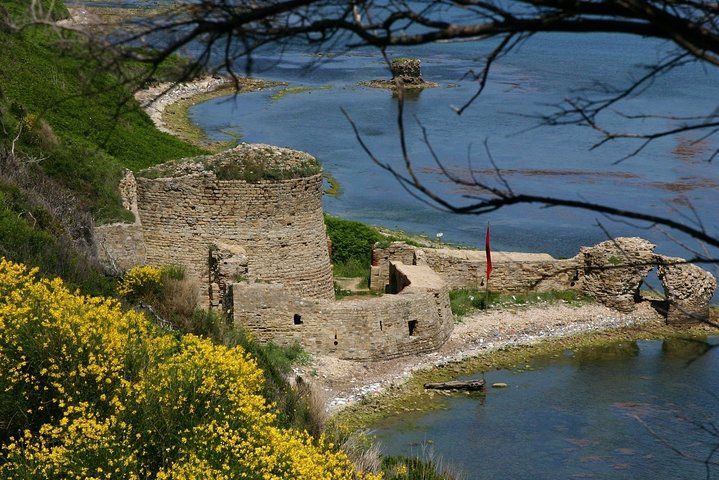
The centerpiece of Cape of Rodon is Rodoni Castle, a strategic fortress constructed by Gjergj Kastrioti Skanderbeg around 1450–1452. Albania's most revered national hero built this defensive structure during his legendary resistance against the Ottoman Empire, following the first siege of Kruja.
The castle at Cape of Rodon served multiple critical functions:
- First line of maritime defenseagainst Ottoman naval attacks along the northern Adriatic coast
- Refuge for Skanderbeg and his familyduring times of siege and danger
- Strategic observation pointoverlooking the entire Adriatic coastline
- Trading portfor grain transportation to nearby Ishmi
Architectural features of Rodoni Castle
The original fortress stretched approximately 400 meters in length, featuring round defensive towers positioned along its perimeter. Built on rocky terrain with the sea on one side and steep cliffs on the other, the castle's position at Cape of Rodon was virtually impregnable from naval assault.
When Ottoman forces finally captured the castle in 1467 (after Skanderbeg's death), they destroyed much of the structure. The Venetians later reconstructed portions of the fortress, but centuries of sea erosion have taken their toll. Today, visitors to Cape of Rodon can still explore the intact right-side walls and tower, which stand as powerful testaments to Albania's medieval grandeur.
Church of St. Anthony, a medieval masterpiece.
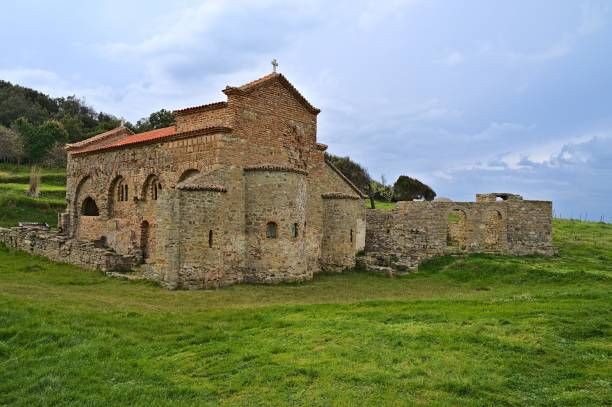
Located near the castle ruins at Cape of Rodon, the Church of St. Anthony dates back to the 13th century, built during the Anjou dynasty's rule. This exquisite structure showcases a blend of Gothic and Romanesque architectural influences, with a light-colored facade that stands out brilliantly against the azure Adriatic sky.
Historical and religious importance
The church at Cape of Rodon holds profound significance for several reasons:
- Medieval heritageConstructed during the same period as Rodoni Castle, it served as a spiritual sanctuary for both local communities and passing sailors who would pray for safe voyages across treacherous seas.
- Unique frescoesThe interior features remarkable medieval artwork, including what may be the earliest known representation of Albania's iconic double-headed eagle national emblem. One fresco depicts a rider on horseback alongside this ancient symbol, making it invaluable to Albanian cultural heritage.
- Noble burial siteAdjacent to the church lies the burial place of Andrea II Muzaka, an Albanian nobleman from the prominent Muzaka family, and his wife.
- Communist era survivalLike many religious sites in Albania, the church suffered destruction during the communist period (1944–1991) when religious practice was banned. It has since been carefully restored and continues to function as a sacred site.
The annual pilgrimage
Every year on June 13th, the Church of St. Anthony becomes the focal point of local festivities and pilgrimage. Locals and visitors gather at Cape of Rodon to celebrate this centuries-old tradition, connecting present-day Albania with its medieval past.
Natural beauty and beaches.
Cape of Rodon boasts some of the cleanest waters along Albania's northern and central coastline. The rocky shores naturally filter the water, creating crystal-clear conditions perfect for swimming, snorkeling, and diving. Unlike other Albanian beaches affected by river estuaries, the waters at Cape of Rodon remain remarkably pure.
Cape of Rodon also features a natural labyrinth of underground caves and tunnels carved by centuries of erosion. These geological formations add another layer of exploration opportunity for adventurous visitors looking to discover the hidden side of Cape of Rodon.
How to get to Cape of Rodon.
Cape of Rodon is easily accessible from both Tirana and Durrës, making it a perfect day trip destination. Here are your transportation options:
By car
- From Tirana50 kilometers · approximately 1 to 1.5 hours drive
- From Durrës30 kilometers · approximately 45 to 60 minutes drive
Take the SH2 highway and follow signs to Cape of Rodon / Kepi i Rodonit. The road is mostly paved asphalt, though the final approach includes some unpaved sections. Park near the Church of St. Anthony and walk the final 500 meters to the castle ruins.
By taxi
Taxis are available from major cities with fares ranging from 2,000 to 5,000 Lek depending on your starting point. Arrange return pickup in advance, as taxis rarely pass through Cape of Rodon.
By organized tour (recommended)
The most convenient and hassle-free way to visit Cape of Rodon is through an organized tour. Local operators like Zenith Travel offer comprehensive day trips that include transportation, guided tours of the historical sites, and often combine Cape of Rodon with other nearby attractions like Krujë Castle or Durrës. This eliminates parking concerns, navigation challenges, and ensures you don't miss any important historical details.
Let us take you to Cape of Rodon.
Zenith Travel runs guided day trips from Tirana and Durrës — transport, historical context, and local expertise included. Combine Cape of Rodon with Krujë, Durrës, or an Adriatic coastal circuit.
Book a guided tour →A coast worth making time for.
Cape of Rodon offers a rare combination of medieval history, natural beauty, and authentic Albanian culture in one unforgettable destination. Whether you're drawn by Skanderbeg's legendary fortress, the ancient Church of St. Anthony, or the pristine Adriatic beaches, Cape of Rodon delivers an experience that more crowded coastal destinations simply can't match.
Ready to explore? Book your guided tour with Zenith Travel and discover one of Albania's most remarkable hidden gems.