
Durres Archaeological Museum – Albania's Biggest Museum Reopens Better Than Ever
Durres is one of the oldest continuously inhabited cities in all of Europe, and for the longest time, tourists could not properly experience its greatest treasure. The Archaeological Museum of Durres spent years behind scaffolding and closed doors as a massive restoration project slowly transformed it into something completely new. That wait is now over. The museum has reopened with upgraded exhibition halls, modern pavilions, outdoor display areas, and over 2,400 authenticated artifacts ready to take visitors on a journey through 3,000 years of Albanian history.
What Makes the Durres Archaeological Museum Special
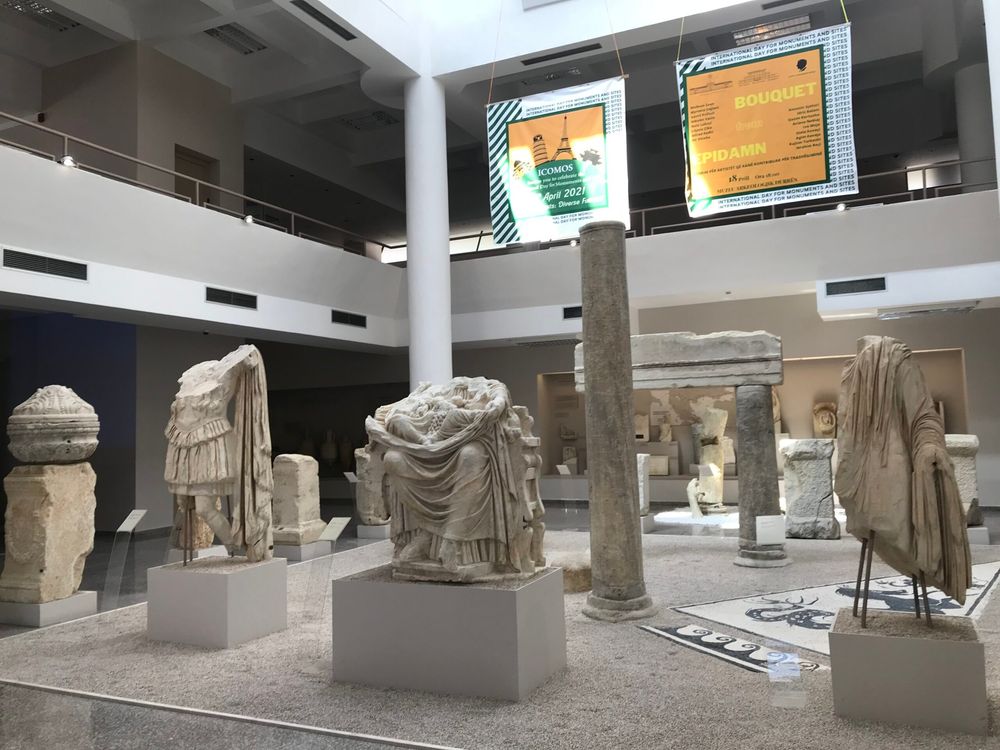
The Archaeological Museum of Durres is not just the largest archaeological museum in Albania. It is the central home of some of the most important ancient objects ever discovered on Albanian soil. The collection consists of artifacts found in the nearby ancient site of Dyrrhachium and includes an extensive collection from the Ancient Greek, Hellenistic, and Roman periods. Every object on display was found in Durres and its surrounding area, which gives the museum a depth and authenticity that very few places can match. The building itself sits right on the seafront on Taulantia Street, close to the Volga promenade. You get the sea breeze, the beach views, and two millennia of history all in the same afternoon. That combination is hard to beat anywhere in the Balkans.
The Long Road to Reopening
The museum has now completed its second major restoration in a decade. A previous reconstruction ran from 2011 to 2015, and then in November 2022 a second, even more ambitious project began. The restoration formed part of the EU4Culture program, funded by the European Union and implemented by the UN Office for Project Services in coordination with the Albanian Ministry of Culture. The project faced repeated delays, but the result is a fully modernized facility that Albania's government has described as the biggest and most realistic museum in the country.
The upgraded facility now includes expanded exhibition areas, redesigned museum layouts, outdoor and indoor spaces, and dedicated zones for children's educational activities and seminars. The courtyard also displays selected artifacts in the open air, giving the museum a completely new dimension that the old building never had.
A Journey Through 3,000 Years – What You See Inside
The museum takes you through history in chronological order across its floors, and the experience builds naturally as you move through the rooms.
Prehistory and the Ancient City of Dyrrachium
The story starts at the very beginning. Durres was founded by the Greeks in the 7th century BC under the name Epidamnos, and the prehistoric and archaic sections of the museum show what life looked like even before that formal founding. Stone tools, early ceramics, and burial objects from the hills surrounding the city establish just how far back human activity in this area goes. Lonely Planet describes the collection as breathtaking and one of the standout cultural stops in all of Albania.
The Greek and Hellenistic Sections
The Greek section holds a large display of terracotta figures and artifacts connected to the city's ancient worship of Aphrodite. Durres minted its own coins during this period, and they were valuable and widely traded enough that examples have been found as far away as Romania. The Hellenistic section picks up after Alexander the Great reshaped the entire Mediterranean world, and the ceramics from this period are genuinely stunning. Figurines of Artemis, goddess of hunting and wild nature, discovered in the ancient tombs in the hills around Durres, tell the story of how deeply religious life was woven into everyday existence in the city.
The Roman Section
This is where most visitors spend the most time, and it is easy to see why. The Roman section holds engraved tombstones, a kiln for baking clay, and artifacts from the Via Egnatia including original milestone markers. The Via Egnatia was one of Rome's most important military roads, running from the Adriatic coast all the way to Constantinople, and Durres sat at its western starting point. Holding those milestone markers in mind while standing just a few hundred metres from where that road began is a genuinely powerful experience.
The entrance area of the museum displays large sculptural pieces including the statue of Gea, the goddess of earth and fertility, discovered in Durres in 2005. Roman funeral steles, stone sarcophagi, and a collection of miniature busts of Venus also fill this section, reflecting the time when Durres was a major centre of goddess worship in the ancient world.
The Byzantine, Medieval, and Ottoman Sections
The second floor carries the story forward through the Byzantine period, the medieval era, and into the Ottoman centuries. Durres changed hands many times across these periods, and the objects on this floor reflect that layered identity. Byzantine ceramics, medieval weapons, and Ottoman-era household objects sit side by side in a way that makes the city's complicated history feel real and tangible.
Everything You Need to Know Before You Visit
Getting there is straightforward. The museum sits on Taulantia Street right by the seafront in central Durres. The city is just 38 kilometres west of Tirana and easy to reach by train or furgon in under an hour.
Opening hours run Tuesday to Sunday from 9:00 in the morning to 3:00 in the afternoon. The museum is closed on Mondays. Always verify the latest hours through the Albanian National Tourism Agency before your trip, as post-restoration schedules can shift.
Admission is very affordable. Entry has historically been around 400 Albanian leke, with a combined ticket available for both the museum and the nearby Durres Amphitheatre. Confirm current pricing on arrival, but even at a slightly adjusted rate this remains one of the best value cultural experiences in the country.
How long to allow: plan for at least 90 minutes to see the full collection without rushing. The museum is not overwhelming in size, and the well-organised layout means you move through it naturally without backtracking or confusion. All exhibits are labelled in both Albanian and English.
What to bring: wear light clothing in summer as the building can get warm during the hottest months. Comfortable shoes are a good idea since the full visit covers multiple floors. Photography is permitted in certain sections, so follow the signage as you move through each room.
Accessibility: the restored building has improved facilities compared to the old layout. Check directly with the museum about specific accessibility needs before visiting.
Pair It With the Durres Amphitheatre Next Door
No visit to the Durres Archaeological Museum is complete without also seeing the Roman Amphitheatre of Durres, which sits just 400 metres away. Built in the early 2nd century AD, it is one of the largest Roman amphitheatres in the Balkans and a site of enormous historical weight. A combined ticket covers both attractions, and the two together give you a full morning or afternoon of ancient history in one compact area of the city.
To the north of the museum you can also walk along the 6th-century Byzantine walls, built after the Visigoth invasion of 481 AD. Durres also has Roman thermal baths, a Byzantine forum, the Venetian Tower, and the Arapaj Basilica all within easy walking distance. A half-day spent in the historic core of the city covers more ancient ground than most travellers expect.
Plan Your Durres Day Trip With Zenith Travel
Durres makes a perfect day trip from Tirana or a standalone destination at the start or end of a longer Albanian journey. Zenith Travel has been organising trips across Albania since 1993, and the team knows exactly how to put together a Durres itinerary that covers the museum, the amphitheatre, the beaches, and the best local spots for lunch. Explore more Albanian destinations at Visit Albania by Zenith Travel and get in touch to start planning your trip. You can reach us at Godina 173, Kavaja St 23, Ap 3, Tiranë 1001 or call 069 400 0016.