
Theth National Park: The Complete Hiker's Guide for 2026
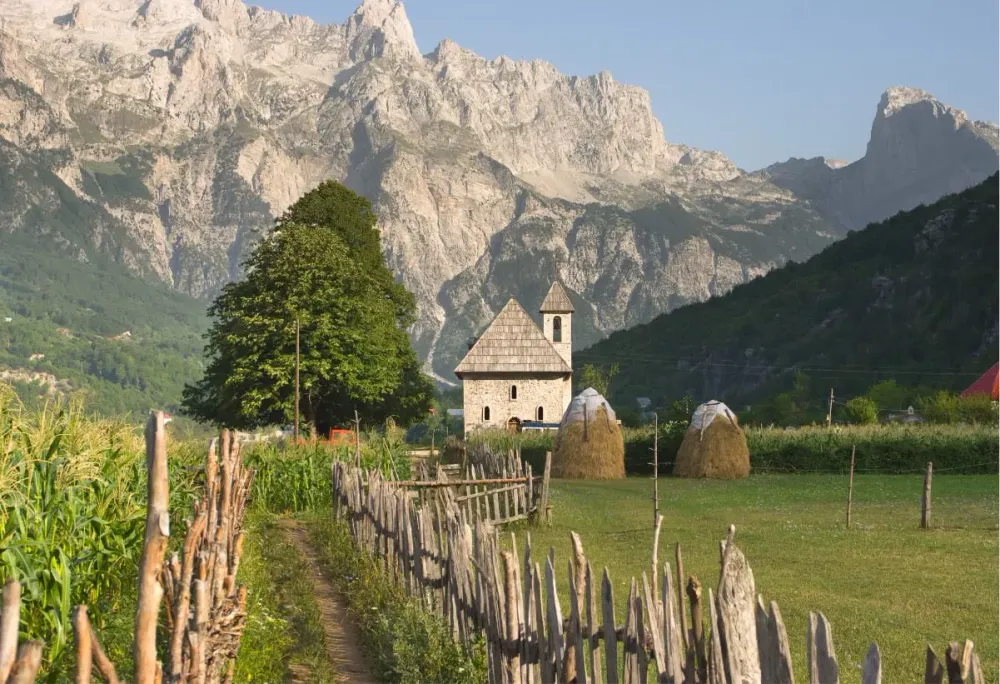
Theth National Park is one of the most dramatic and least visited mountain destinations in Europe, and in 2026 it sits at exactly the point where word has spread enough to draw serious hikers from across the world but not so far that the trails are crowded or the guesthouses overbooked. Getting the timing right matters. Zenith Travel, Albania's leading tour operator since 1993, brings hikers and adventure travelers into the Albanian Alps on a 2-day guided trip to Theth from Tirana, and this guide covers everything you need to plan the visit properly, from the trails and terrain to the logistics that catch independent travelers off guard.
What Is Theth and Why Are Hikers Talking About It?
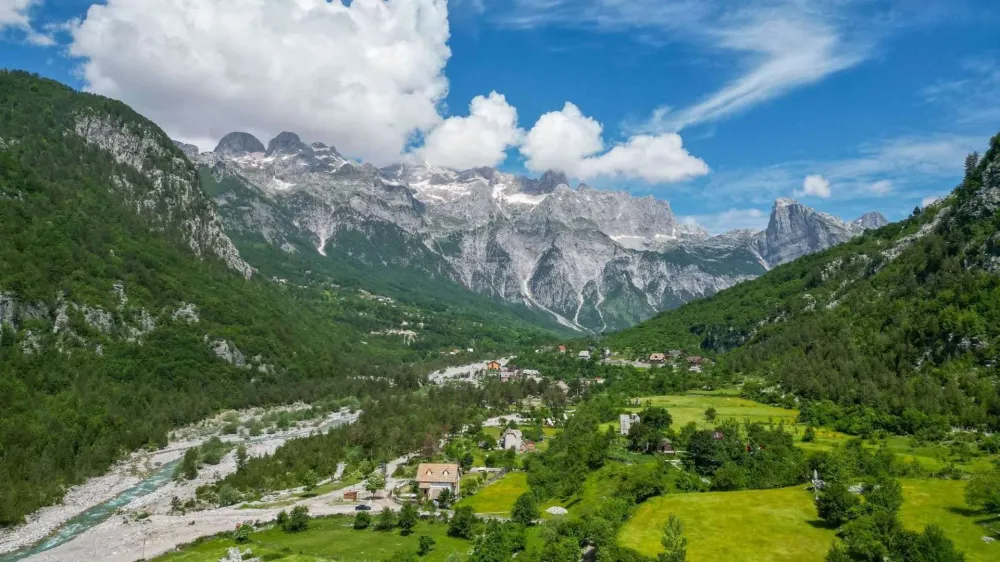
Theth is a remote valley village in the Albanian Alps, sitting at roughly 900 metres above sea level in the Nikaj-Mërtur region of northern Albania. The valley is enclosed on three sides by peaks reaching above 2,500 metres, with the Shala River running through its floor and traditional stone kulla towers scattered across the meadows. The nearest city is Shkodra, approximately 70 km to the southwest, and the road connecting Theth to the outside world is a mountain track that was unpaved until relatively recently and still requires a capable vehicle and a driver who knows it.
The hiking infrastructure in and around Theth is part of the Peaks of the Balkans trail network, a transnational route crossing Albania, Kosovo, and Montenegro that was developed in the mid 2010s and has since established itself as one of the most acclaimed long distance hiking routes in Europe. Theth sits at a key junction of this network, which means the trails radiating outward from the village connect to an extensive system of marked routes across the Albanian Alps.
Getting to Theth: The Honest Account
The journey from Tirana to Theth is one of the defining features of the experience, and it deserves an honest description. The total distance is approximately 150 km but the journey takes four to five hours in a capable 4WD vehicle because the final section from Shkodra into the valley involves a mountain road with significant elevation change, narrow sections, and surface conditions that vary considerably depending on recent weather.
Public transport to Theth exists in the form of a single daily furgon departure from Shkodra during the summer season, typically leaving in the early morning. This option is viable for experienced independent travelers with flexible schedules, but the departure time, limited luggage space, and the fact that there is no return service on the same day means careful planning is essential.
The most reliable way to reach Theth and return on a defined schedule is with a guided tour that provides dedicated 4WD transport from Tirana. Zenith Travel's 2-day Theth trip handles the entire journey in a vehicle suited to the road conditions, with a driver who knows the mountain route, removing the most practically demanding element of the visit from your plate entirely.
The Main Trails: What to Hike and What to Expect
Theth's trail network covers a range of difficulty levels, from valley floor walks suitable for casual walkers to demanding high alpine routes that require fitness, experience, and appropriate equipment. These are the routes that matter most.
The Theth to Valbona Trail
The single most famous hike in the Albanian Alps is the traverse from Theth to Valbona, crossing the Valbona Pass at 1,796 metres. The route covers approximately 16 km with around 900 metres of elevation gain on the ascent and a longer descent into the Valbona valley on the other side. Total hiking time is typically seven to nine hours for a fit walker moving at a steady pace.
The trail climbs out of the Theth valley through beech forest before emerging above the treeline onto open alpine terrain with views across the entire Dinaric Alps. The pass itself is a dramatic open saddle, and the descent into Valbona follows a different valley with a completely distinct character from the Theth side. Completing this traverse is the goal that draws most international hikers to the region.
The trail is well marked and the route is straightforward on a clear day. In low cloud or rain the upper section requires attention. The hike is best done as a point to point traverse with return transport or accommodation arranged in Valbona, rather than as an out and back from Theth.
The Blue Eye of Theth
Not to be confused with the better known Blue Eye spring near Saranda in southern Albania, Theth has its own Blue Eye, a natural spring pool where cold clear water emerges from the base of a limestone cliff producing a deep blue pool of extraordinary clarity. The walk from the village to the Blue Eye takes approximately 30 to 45 minutes each way along a gentle valley path. It is the most accessible major attraction in the area and suitable for all fitness levels.
The water temperature at the Blue Eye spring is cold year round, typically around 10 degrees Celsius, which makes it a bracing rather than comfortable swimming experience. Many visitors wade in briefly regardless. The pool is most dramatic in the morning before direct sunlight reaches the cliff face.
The Grunas Waterfall
The Grunas Canyon waterfall is a 30 metre cascade reached by a short walk from the village, typically done as part of the same excursion as the Blue Eye. The canyon walls narrow to a few metres at the waterfall base and the spray creates a permanently wet microclimate that supports unusual plant growth on the cliff faces. The round trip from the village including both the Blue Eye and the Grunas waterfall takes approximately two to three hours at a comfortable pace.
The Peaks of the Balkans Stage from Theth
For hikers doing sections of the full Peaks of the Balkans route, the stages connecting Theth to the Vermosh valley to the north and to the Valbona valley to the east are both demanding and rewarding full day routes. These require a higher level of fitness and experience than the standard day hikes around the village, and they are best undertaken with a local guide who knows the route markings and can navigate in changing weather conditions.
The Kulla of Theth: History in the Valley
The Albanian Alps are not just wilderness. The Theth valley contains several kulla, traditional fortified stone tower houses that were used as places of refuge during blood feuds under the Kanun customary law code. The best preserved kulla in Theth has been restored as a small museum and is open to visitors during the summer season. Understanding the social history of the Albanian highland communities adds a significant dimension to the physical experience of the landscape, and a guide can explain the kulla tradition in the context of the specific buildings and families you encounter in the valley.
Where to Stay in Theth
Accommodation in Theth is entirely provided by local guesthouse families operating in the traditional Albanian mountain hospitality model. The guesthouses range from basic rooms in family homes to more recently built structures with private bathrooms and reliable hot water. They universally serve home cooked meals using locally produced ingredients, with lamb, vegetables from the family garden, and fresh dairy products forming the core of most menus.
Booking in advance is essential for July and August when the guesthouses fill quickly. The better guesthouses have some English language capability and can be contacted directly or booked through tour operators. Standards have improved considerably in the last five years as more international visitors have come to the valley, but Theth is not and should not be approached as a luxury destination. The accommodation is comfortable, clean, and genuinely welcoming, with the specific character of a working mountain farm community rather than a purpose built tourist facility.
When to Go: The Theth Season
Theth is accessible and safe for hiking from approximately mid June through early October. The road into the valley can be closed by snow as late as May in a heavy winter year and the guesthouses operate seasonally, with most opening in June and closing in October.
July and August are the peak months with the most reliable weather, the warmest temperatures, and the most guesthouses at full operation. They are also the busiest, which in Theth terms means you might encounter other hikers on the Valbona trail rather than having it to yourself, rather than any sense of overcrowding.
Late June and September are the preferred windows for experienced mountain hikers who want quieter trails and slightly more demanding weather that keeps the summer visitor numbers down. The light in September is exceptional, the crowds are thin, and the guesthouses are relaxed and fully available.
Why the 2-Day Format Works
A single day visit to Theth from Tirana is logistically possible but it is not a satisfying way to experience the valley. The journey time alone consumes most of the available daylight, leaving a few rushed hours in the valley before the return drive. Two days allows a full afternoon of valley exploration on arrival, a complete day for the main trail of your choice, and a return journey that does not feel like a race.
Zenith Travel's 2-day Theth trip is structured around this reality, with overnight accommodation in a selected valley guesthouse, guided trail access on the full hiking day, and return transport to Tirana on the second afternoon.