
Theth to Valbona: The Ultimate Accursed Mountains Trek Guide
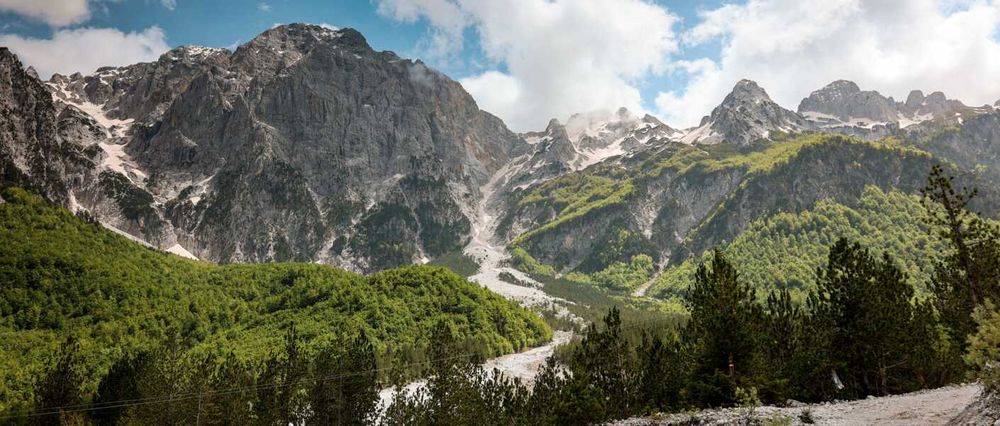
The Theth to Valbona trek is the most celebrated hiking route in the Albanian Alps and one of the most rewarding mountain walks in the entire Balkans. Word has spread fast enough that hikers from across Europe and beyond now plan entire trips around it, yet the trail remains genuinely wild in a way that comparable routes in the Alps or Dolomites are not. Zenith Travel, Albania's leading tour operator since 1993, takes hikers into the Accursed Mountains on a Theth mountain trip from Tirana and this guide covers the trail in full, from the first steps out of Theth village to the descent into the Valbona valley on the other side.
What Are the Accursed Mountains?
The name deserves an explanation before the trail does. The Accursed Mountains, known in Albanian as Bjeshkët e Namuna, are the range that straddles the borders of Albania, Kosovo, and Montenegro in the extreme northwest of the Western Balkans. The name has disputed origins, with some accounts tracing it to the severe weather conditions that can make the peaks genuinely dangerous, and others connecting it to the isolation and hardship historically associated with the highland communities that lived among them.
Whatever its origin, the name captures something true about the character of the range. These are not gentle mountains. The peaks rise steeply above deep glacial valleys, the weather changes without warning, and the trails require genuine effort. The Peaks of the Balkans hiking network, which the Theth to Valbona traverse forms part of, was developed specifically to open this landscape to international hikers who had no previous way to access it systematically.
The Route: Start to Finish
The trek begins in Theth village, sitting at roughly 900 metres above sea level in its enclosed valley, and ends in Valbona, a similar valley on the Albanian side of the border with Kosovo roughly 16 km to the east as the crow flies. The total trail distance on foot is approximately 16 to 18 km depending on which path variations you take, with around 900 metres of elevation gain on the ascent to the Valbona Pass and a longer descent of roughly 1,100 metres into the Valbona valley below.
The trail leaves Theth heading northeast through the upper meadows of the valley, passing several traditional stone farm buildings before entering beech forest on the lower slopes. This forested section is the most sheltered part of the trek and provides welcome shade in the summer months. The gradient is steady rather than brutal in the lower sections, giving hikers time to find their rhythm before the terrain opens up.
Above the treeline the character of the walk changes completely. The beech forest gives way to open alpine terrain: limestone karst, scattered juniper, and the kind of unobstructed mountain panorama that makes every metre of the climb feel earned. The views northwest back toward Theth and the valley below are among the most dramatic on the entire route. On a clear day the ridge lines of Montenegro are visible to the north.
The Valbona Pass
The Valbona Pass at 1,796 metres is the physical and emotional centre of the trek. It is a broad open saddle in the ridgeline with views in both directions, and reaching it marks the transition from the Theth watershed to the Valbona watershed. Most hikers stop here for food and rest before the long descent.
The pass itself is not a narrow col but a relatively spacious flat section of the ridge, which means arriving groups often overlap and the atmosphere at the pass in summer can be social in a way the lower trail sections are not. A basic refreshment shelter operates seasonally near the pass, though hikers should not depend on it being open and should carry sufficient water and food regardless.
From the pass the descent into Valbona begins immediately and steeply. The upper section follows a rocky path with loose stone in places that requires careful footing, particularly if the ground is wet. Trekking poles are genuinely useful here rather than just optional. The gradient eases as the valley opens below and the final section into Valbona follows a gentler path through forest and meadow to the valley floor.
How Long Does It Take?
A fit hiker moving at a steady pace without extended stops completes the Theth to Valbona traverse in seven to nine hours. Less experienced or less fit hikers should budget nine to eleven hours. The climb to the pass typically takes four to five hours from Theth village and the descent into Valbona takes three to four hours from the pass.
An early start is essential. Leaving Theth at 6 AM or 7 AM gives you the best morning light on the ascent, the best chance of reaching the pass before afternoon cloud builds, and sufficient time to complete the descent before darkness. Hikers who start late risk the upper section in deteriorating weather, which on a ridge above 1,700 metres is a situation worth avoiding.
Fitness Level and Technical Difficulty
The Theth to Valbona trek is classified as a moderate to challenging hike rather than a technical mountaineering route. It requires no specialist equipment, no rope work, and no scrambling beyond occasional use of hands on the steeper rocky sections near the pass. What it does require is a reasonable base level of hiking fitness, appropriate footwear, and the judgment to turn back if weather conditions deteriorate significantly on the upper trail.
The total elevation gain and the length of the descent make it a physically demanding day for hikers who do not regularly walk in the mountains. Proper training in the weeks before the trip, including long walks with elevation change and the footwear you plan to use on the day, makes a significant difference to how enjoyable the experience is versus how much of an ordeal it becomes.
What to Carry
Water is the most critical item. The trail has no reliable water sources for extended sections, particularly above the treeline and on the descent into Valbona. Carry a minimum of two litres per person and more in hot weather. A water filter or purification tablets give you the option to refill from mountain streams on the lower sections if needed.
Food should cover a full hiking day. A proper lunch at the pass, snacks for the ascent and descent, and emergency rations beyond your planned consumption. The energy requirements of a nine hour mountain day are higher than most people anticipate.
Footwear must be proper hiking boots with ankle support and a waterproof membrane. Trail runners are tolerated by experienced hikers who know the terrain but are not recommended for a first traverse. The rocky descent from the pass in wet conditions punishes inadequate footwear quickly.
A waterproof shell jacket is non negotiable regardless of the morning forecast. Weather on the Valbona Pass ridge can change in under an hour and a caught hiker in light clothing above the treeline in rain and wind at 1,800 metres is in a genuinely unpleasant situation.
Getting to Theth and Back from Valbona
The logistical complexity of the Theth to Valbona trek is the main reason many hikers choose a guided trip over independent travel. The route is point to point, which means you start in one valley and end in a completely different one. Getting between the two independently requires either arranging private transport to collect you in Valbona, taking the ferry from Valbona to Fierza and then onward furgon connections, or retracing the pass the following day.
Zenith Travel's guided Theth trip handles this logistics challenge as part of the tour structure, with overnight accommodation in Theth, guided access on the trek day, and return transport arranged from Valbona so the day ends without a logistical problem to solve after nine hours on the mountain.
Plan Your Visit with Zenith Travel
Zenith Travel Agency — Tour Operator Albania Godina 173, Kavaja St 23, Ap 3, Tiranë 1001, Albania Phone: +355 69 400 0016 Website: visitalbania.zenith.travel