Tepelena
Parks & Nature
Essential Info
About
Tepelena Albania: Discovering the Historic City of Ali Pasha and Europe's Last Wild River
Explore Tepelena, the legendary birthplace of Ali Pasha Tepelena, where Ottoman history meets the pristine beauty of the Vjosa River—Europe's last wild river. This complete 2025 travel guide reveals everything you need to know about visiting Southern Albania's most fascinating historical destination
Why Tepelena Deserves Your Attention
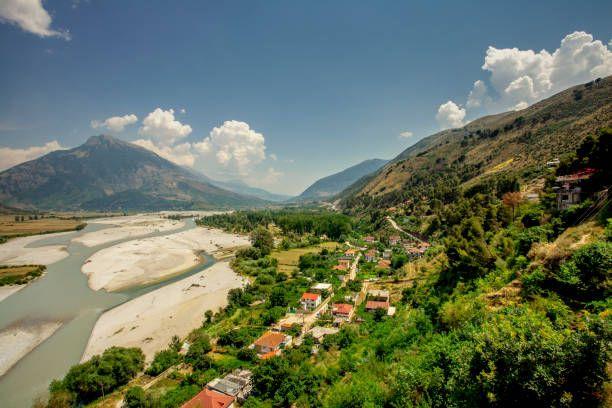
Nestled in the mountainous heart of southern Albania, Tepelena is a small historic town located approximately 150 kilometers south of Tirana along the banks of the magnificent Vjosa River. This ancient settlement serves as a living museum of Albania's Ottoman heritage while offering gateway access to some of Europe's most pristine wilderness.
Unlike Albania's more tourist-heavy destinations like Berat or Gjirokastër, Tepelena retains an authentic, unhurried charm. Here, the legacy of one of the Balkans' most powerful rulers—Ali Pasha Tepelena—intersects with breathtaking natural landscapes, creating a destination that appeals equally to history enthusiasts and outdoor adventurers.
The Legend of Ali Pasha Tepelena: The Lion of Ioannina
Rise from Humble Beginnings
Ali Pasha Tepelena (1740-1822) stands as one of the most fascinating figures in Albanian and Balkan history. Born in the small village of Beçisht across the Vjosa River, Ali's early life was marked by tragedy. His father, Veli Bey, a minor Ottoman governor, was betrayed by associates and died in poverty when Ali was only 14 years old.
Ali's mother, Khamco, formed a band of brigands who operated in the mountains around Tepelena. Young Ali joined and quickly rose to leadership, conducting raids on caravans through the gorges. Through cunning and strategic thinking, he amassed both wealth and a fearsome reputation.
The Lion Ascends
The Ottoman government decided to recruit the notorious brigand leader rather than fight him. By 1788, Ali Pasha had ascended to become the de facto leader of Albania and significant portions of northwestern Greece, ruling from Ioannina while maintaining Tepelena as his cherished birthplace stronghold.
At his peak, Ali Pasha controlled a territory the size of Belgium, commanding 50,000 men. Known as the "Lion of Ioannina," his complex personality—at once charming and brutal, visionary and vengeful—continues to fascinate historians.
Enduring Legacy
Despite controversial methods, Ali Pasha left an indelible mark:
Roads and bridges connecting isolated mountain communities
Aqueducts including the remarkable Bença Aqueduct
Fortifications throughout his domain
Infrastructure stimulating trade and economic development
Lord Byron visited Tepelena in 1809 and was received as an honored guest. The experience profoundly influenced his epic poem "Childe Harold's Pilgrimage," romanticizing Albania in Western imagination.
Tepelena Castle: Fortress Above the Vjosa
Perched dramatically on a rocky hill overlooking the confluence of the Vjosa and Drinos rivers, Tepelena Castle has guarded this strategic junction since the 7th century. The original Byzantine tower was expanded during the Ottoman period, reaching its greatest extent under Ali Pasha's rule in the early 19th century.
What to See Today
Highlights include:
Massive defensive walls showcasing Ottoman military architecture
Panoramic viewpoints offering sweeping vistas of the Vjosa River valley
Small museum detailing Ali Pasha's life and regional history
Southeastern viewpoint where you can see the iconic Beçisht Bridge
Free entrance accessible to all visitors
Allow at least one hour to explore. Best visited early morning or late afternoon when temperatures are comfortable and lighting is dramatic.
The Vjosa River: Europe's Last Wild River
The Vjosa River is Tepelena's greatest natural treasure. Flowing 270 kilometers from Greece's Pindus Mountains to Albania's Adriatic coast, the Vjosa is the last major free-flowing river in Europe—running its entire course without dams or artificial barriers.
In March 2023, the Albanian government officially declared the Vjosa River a National Park—Europe's first Wild River National Park. This landmark decision protects the river's entire ecosystem, establishing Tepelena as a gateway to this extraordinary natural reserve.
Biodiversity Hotspot
The Vjosa basin is home to over 1,100 species, including globally threatened plants and animals. The river supports endangered species like the Balkan lynx, European otter, and numerous endemic fish species.
Best Viewpoints in Tepelena
Tepelena Castle: The southeastern corner offers the most iconic view of the Vjosa winding through the valley, with views of the historic Beçisht Bridge.
Beçisht Bridge: This 260-meter Roman structure restored by Ali Pasha serves as a pedestrian footbridge with intimate river views.
Riverside Promenade: Tepelena's modern path provides pleasant walking with shaded sections perfect for summer strolls.
Top Attractions in Tepelena
The Bença Aqueduct
Five kilometers from town center, the Bença Aqueduct (Ujësjellësi i Ali Pashës) showcases elegant Ottoman engineering. This imposing two-story structure supplied drinking water to Tepelena in the early 19th century.
Beyond the aqueduct, the Bektashi Tekke of Bença perches dramatically on a cliff above the river—one of Albania's most beautifully situated religious sites.
Tepelena's Cold Water (Uji i Ftohtë)
Located along the SH4 highway, this natural spring produces crystal-clear, ice-cold water year-round. The site features a restaurant serving traditional cuisine and the bottling complex for famous "Uji Ali Pashë Tepelena" water.
The Eye of Tepelena
This stunning blue spring creates a mesmerizing circular pool of crystal-clear water. Unlike its famous cousin near Sarandë, this location sees fewer tourists. The spring is larger and better for swimming, with locals frequenting it during summer.
Things to Do in Tepelena
Outdoor Adventures
Rafting and Kayaking: World-class experiences on the Vjosa River, from gentle floats to challenging whitewater. Local operators organize excursions from two hours to multi-day expeditions.
Hiking: Trails branch into the Kurvelesh highlands, including routes to the Bektashi tekke, Progonat and Lekdush villages, and the Eye of Tepelena.
Swimming: The Vjosa's clean waters offer excellent summer swimming opportunities (June-September).
Cultural Experiences
Explore Tepelena Castle's ancient walls
Visit the museum inside the castle
Sample traditional cuisine: tave kosi, qifqi, byrek, grilled meats
Shop at local markets for handmade crafts and regional products
Best Time to Visit Tepelena
Late Spring (April-May): Pleasant temperatures (18-24°C), wildflowers, robust river flow, fewer crowds—excellent hiking conditions.
Early Autumn (September-October): Comfortable temperatures (20-26°C), harvest season, clear skies, ideal river conditions.
Peak Summer (June-August): Warm weather perfect for swimming (26-34°C), but can be very hot midday. Plan activities for early morning or late afternoon.
Explore More Parks & Nature
Uncover more parks & nature spots that intrigue you.