Tirana Albania: Vibrant Capital & Cultural Heart of Europe
Historical Sites
Essential Info
About
Tirana Albania stands as one of Europe's most dynamic and rapidly transforming capitals, offering visitors an unexpected blend of Ottoman heritage, communist-era monuments, and contemporary urban energy. As Albania's largest city and political center, Tirana embodies the nation's remarkable journey from isolation to integration with European culture, creating a destination unlike any other in the Balkans.
Europe's Most Colorful Capital
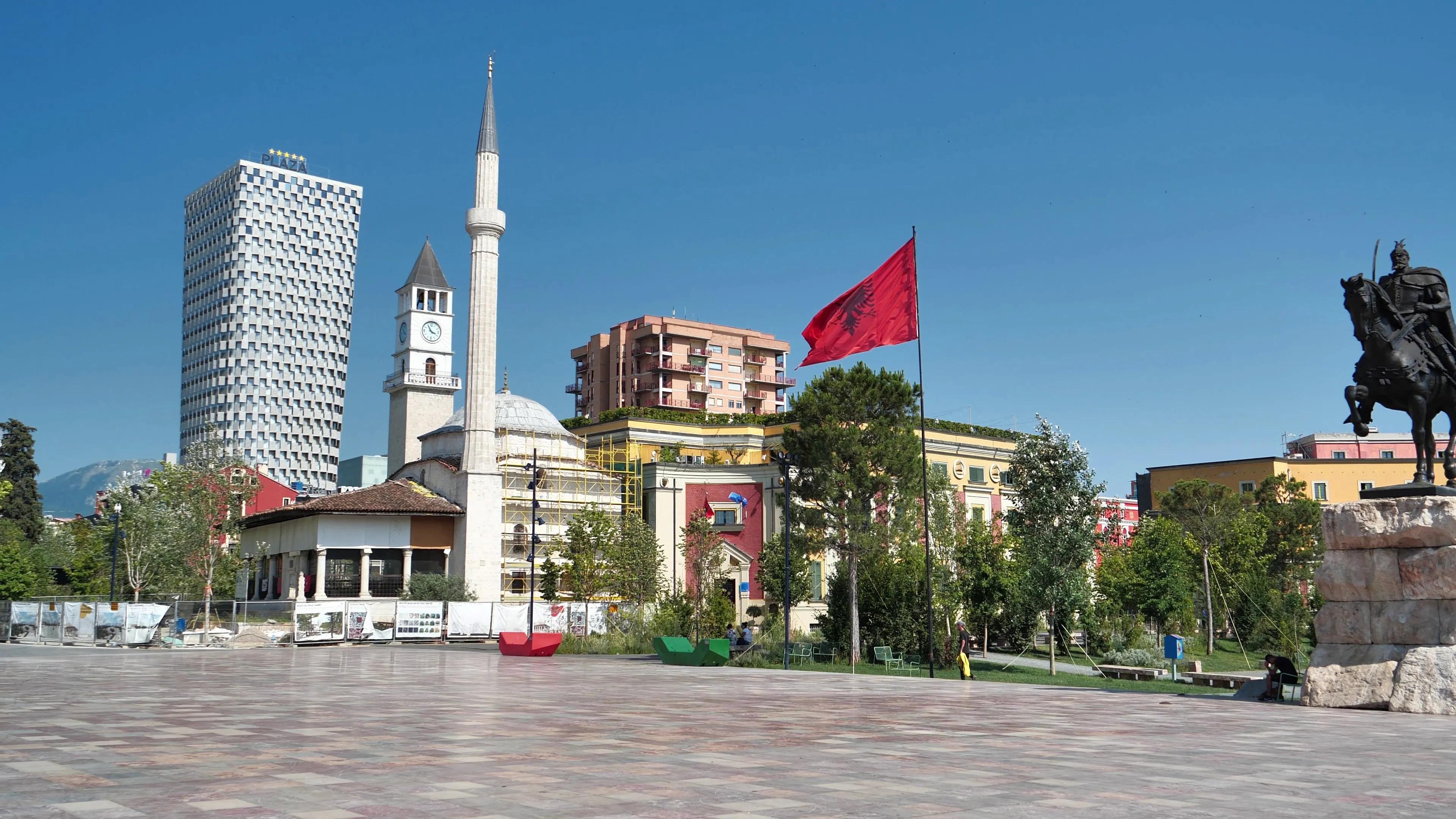
Albania Tirana distinguishes itself through its distinctive approach to urban renewal and cultural expression. The city's transformation began in the early 2000s when then-mayor Edi Rama initiated a bold project to paint buildings in vibrant colors, forever changing the capital's character. Today, walking through Tirana Albania Europe reveals facades adorned in yellows, oranges, pinks, and greens, creating an atmosphere of optimism and creativity that reflects the Albanian spirit.
This colorful aesthetic extends beyond mere decoration. The vibrant buildings symbolize Albania's emergence from decades of isolation under communist rule, representing freedom, expression, and the nation's determination to forge a distinctive identity in modern Europe. The capital tirana albania has become a case study in urban transformation, attracting architects and city planners from around the world interested in innovative approaches to post-communist urban renewal.
Historical Layers and Architectural Contrasts
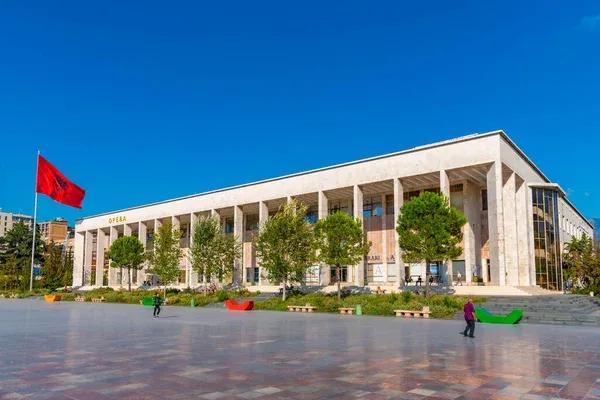
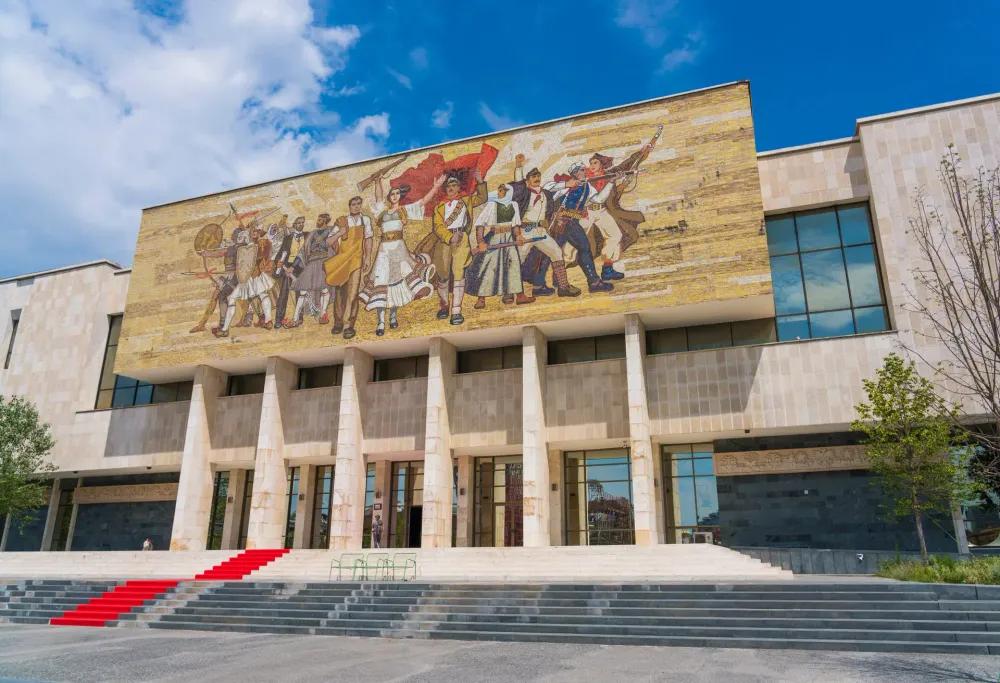
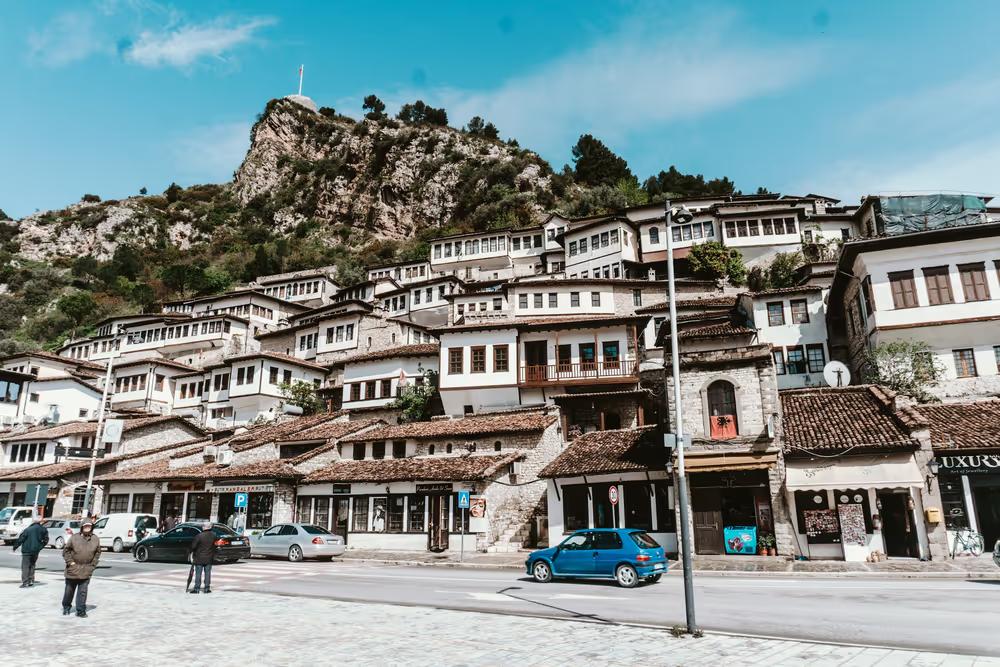
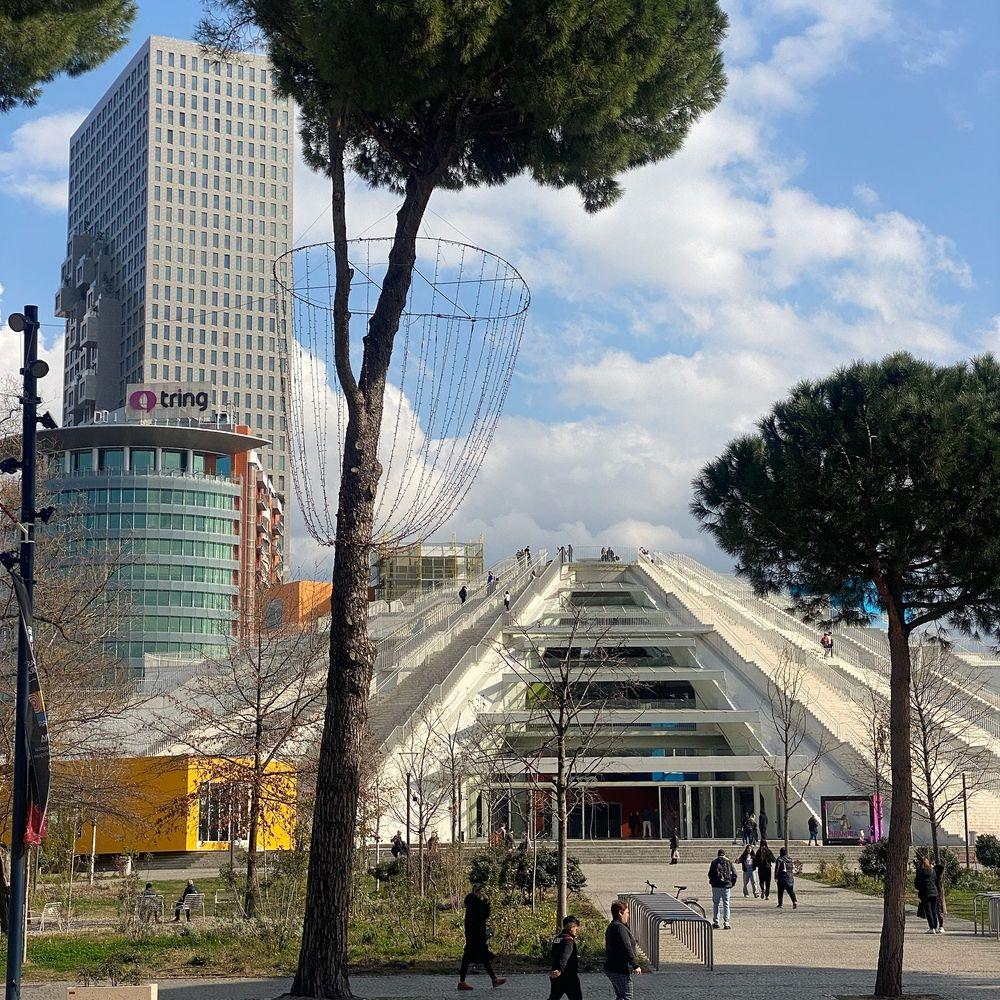
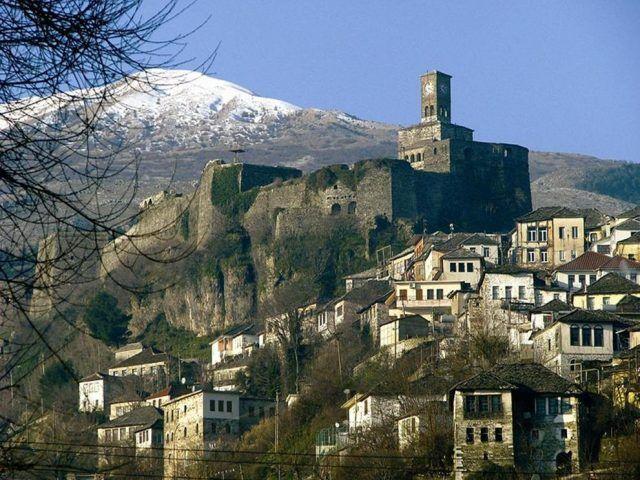
Tirana Albanian history stretches back to the Ottoman period, though the city only became Albania's capital in 1920. This relatively recent elevation to capital status means Tirana lacks the extensive historical quarters found in cities like Berat or Gjirokastra, yet this creates space for fascinating architectural juxtaposition. Ottoman-era structures stand alongside Italian rationalist buildings from the 1930s, communist-era apartment blocks, and contemporary glass towers, creating a visual timeline of Albanian history compressed into several square kilometers.
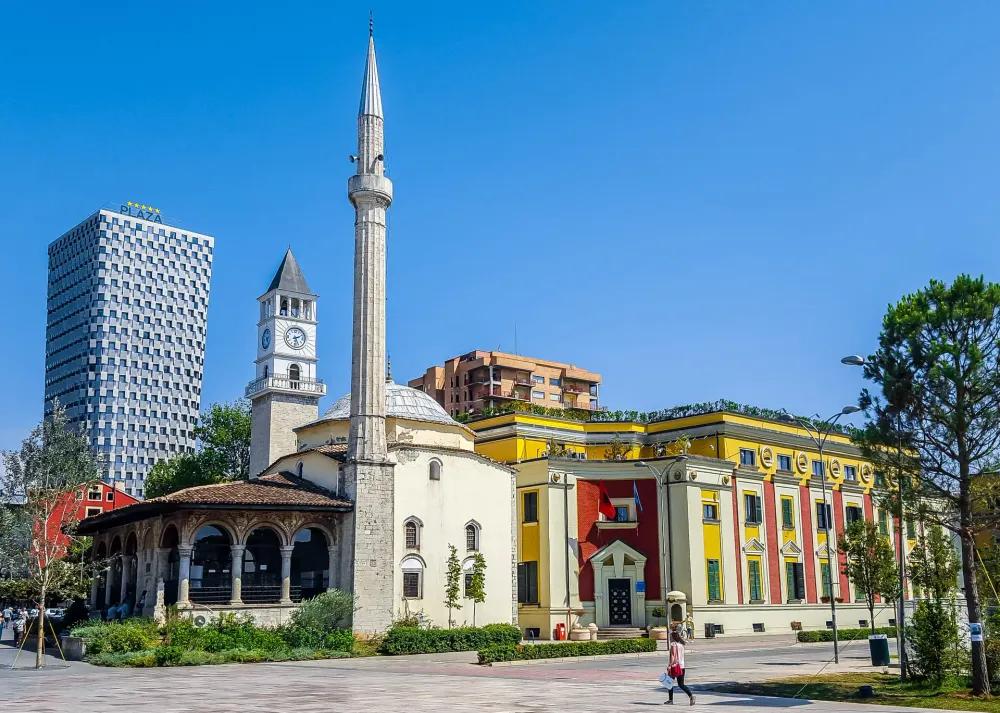
The Et'hem Bey Mosque, completed in 1821, represents one of Tirana's oldest and most beautiful surviving Ottoman monuments. Its exquisite frescoes and peaceful courtyard offer a contemplative contrast to the bustling square outside. Adjacent stands the historic Clock Tower, built in 1822 and offering panoramic views across the city for those willing to climb its narrow spiral staircase. These structures anchor Skanderbeg Square, the central hub where Tirana's past and present converge.
Communist Heritage and Memory
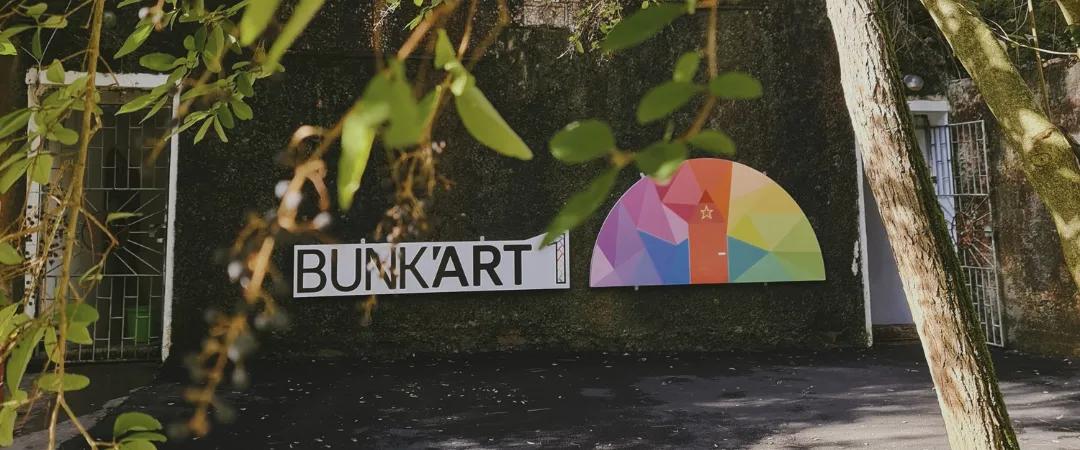
Few European capitals offer such direct engagement with twentieth-century totalitarian history as Tirana in Albania. The city served as the nerve center of Enver Hoxha's isolationist communist regime, and monuments from this period remain integral to understanding modern Albania. BunkArt 1, housed in a massive underground bunker originally built for Albania's political elite during the Cold War, has been transformed into a striking museum exploring both contemporary art and Albania's communist past. This vast subterranean complex, featuring dozens of rooms spread across multiple levels, provides visceral insight into the paranoia and isolation that characterized the Hoxha regime.
The Museum of Secret Surveillance, known as the House of Leaves, occupies another crucial space in Tirana's memorial landscape. This building served as the headquarters for the Sigurimi, Albania's notorious secret police, and now documents the surveillance apparatus that monitored Albanian citizens for decades. The museum's exhibitions, preserved offices, and audio testimonies create a sobering reminder of authoritarian control's human cost.
Planning Your Tirana Experience
For visitors seeking to maximize their time exploring Tirana and surrounding attractions, local tour operators provide valuable expertise and convenience. Zenith Travel offers guided experiences that combine the capital's highlights with day trips to nearby destinations like Kruja, Durrës, and Berat, helping visitors navigate Albania's rich heritage efficiently while gaining insights from knowledgeable local guides.
Cultural Renaissance and Contemporary Energy
Modern Tirana Albania has emerged as one of the Balkans' most exciting cultural destinations, with a thriving arts scene, innovative restaurants, and energetic nightlife that challenges outdated perceptions of Albania. The Blloku neighborhood exemplifies this transformation. Once an exclusive enclave reserved for communist party officials and completely off-limits to ordinary citizens, Blloku now pulses as Tirana's premier entertainment district. Its tree-lined streets feature boutique hotels, international restaurants, craft cocktail bars, and trendy cafes where young Albanians and international visitors mingle freely.
The city's cultural institutions have expanded dramatically in recent years. The National Gallery of Arts showcases Albanian visual arts from medieval icons through contemporary installations, while numerous independent galleries have opened throughout the city center. Tirana's theater scene remains remarkably vibrant, with several companies performing in Albanian and occasionally offering productions accessible to international audiences through innovative staging that transcends language barriers.
Natural Beauty Within Reach
Despite being Albania's largest urban center, Tirana enjoys proximity to remarkable natural landscapes. The city sits on a plain surrounded by mountains on three sides, with Dajti Mountain National Park rising directly to the east. The Dajti Express cable car whisks visitors from the city's edge to mountain heights in just fifteen minutes, providing spectacular views across Tirana Albania weather permitting, extending to the Adriatic Sea on clear days. At the mountain's summit, walking trails wind through pine forests, traditional restaurants serve mountain cuisine, and the cooler temperatures offer relief during Tirana's hot summers.
This geographic setting creates microclimates that affect weather in Tirana Albania throughout the year. Summers bring Mediterranean warmth with temperatures frequently exceeding 30°C (86°F), while winters remain relatively mild compared to other European capitals, though mountain views often feature snow-capped peaks from December through March. Spring and autumn provide ideal conditions for exploring, with pleasant temperatures and lower tourist volumes making these seasons particularly appealing for visitors seeking authentic experiences.
Practical Gateway to Albanian Adventures
Albania Tirana airport, officially Tirana International Airport Mother Teresa, serves as Albania's primary aviation gateway, connecting the country to dozens of European cities through both traditional and budget carriers. The airport's location just 17 kilometers from the city center makes accessing Tirana straightforward, with various transportation options including buses, taxis, and rental cars available around the clock.
This accessibility extends to ground transportation as well. Tirana functions as Albania's transportation hub, with regular bus and furgon services connecting the capital to every corner of the country. Day trips from Tirana can reach the ancient city of Kruja, the port city of Durrës, or the cultural heritage sites of Berat, all within 1-2 hours. This central position makes Tirana an ideal base for exploring Albania's remarkable diversity, from Adriatic beaches to mountain villages.
Culinary Scene and Albanian Flavors
Tirana's restaurant scene has evolved dramatically, now offering everything from traditional Albanian tavernas to international fusion cuisine. The city's culinary renaissance reflects both renewed pride in Albanian traditions and openness to global influences. Traditional restaurants serve tavë kosi (baked lamb with yogurt), byrek (savory pastries), and fresh grilled meats accompanied by locally produced wines and raki. Meanwhile, innovative chefs experiment with Albanian ingredients in contemporary preparations, creating a dining scene that surprises visitors expecting more limited options.
The central market, known locally as the Pazari i Ri (New Bazaar), has been renovated into an attractive space where vendors sell fresh produce, cheeses, cured meats, and other Albanian specialties. Surrounding the market, small eateries serve traditional breakfast items and lunches, providing authentic experiences at modest prices. The market atmosphere, particularly on weekend mornings, captures daily Albanian life in ways more tourist-oriented areas cannot.
Accommodation Options for Every Budget
Hotel Albania Tirana options have expanded considerably, ranging from international chains to boutique properties that reflect Albanian design sensibilities. The best hotels in Tirana Albania cluster around Skanderbeg Square and the Blloku district, providing convenient access to major attractions while offering modern amenities. Boutique properties like the Rogner Hotel Tirana Albania combine luxury accommodations with excellent service, often featuring rooftop restaurants with city views.
Budget-conscious travelers find numerous hostels and guesthouses throughout Tirana, particularly in neighborhoods slightly removed from the very center. These establishments often provide more opportunities for interaction with local hosts and fellow travelers, contributing to the authentic experiences many visitors seek. The city's compact size means even budget accommodations in peripheral areas remain within reasonable walking distance or short bus rides from major attractions.
A City of Constant Evolution
Perhaps Tirana Albania's most defining characteristic is its ongoing transformation. Construction cranes dot the skyline, new restaurants open monthly, and public spaces continue receiving improvements. This dynamic quality creates a city that rewards repeat visits, as the landscape literally changes year to year. What was a parking lot during one visit might become a pedestrian plaza the next, while neglected buildings undergo conversion into hotels or cultural spaces.
This evolution reflects broader changes in Albanian society as the country integrates more fully with European structures and global culture while maintaining distinctive characteristics. Tirana in Albania embodies these tensions and possibilities, serving as both a showcase for progress and a reminder of the complex history that shaped contemporary Albania. For visitors willing to engage with this complexity, Tirana offers rewards far beyond typical tourist experiences, revealing a city and country in the midst of an extraordinary journey.
Whether you're exploring things to do in Tirana Albania related to history, culture, nature, or contemporary urban life, the capital delivers experiences that challenge expectations while creating lasting memories. As Albania continues its remarkable transformation, Tirana stands at the forefront, embodying the energy, contradictions, and possibilities that make this Balkan nation one of Europe's most intriguing destinations. Among Albania's rich cultural heritage, several sites have earned UNESCO World Heritage recognition, including the historic centers of Berat and Gjirokastra, both easily accessible as day trips from the capital.
Explore More Historical Sites
Uncover more historical sites spots that intrigue you.

Discover the Charm of Tirana
Where modern flair meets historic charm in Tirana.