Et'hem Bey Mosque
Historical Sites
Essential Info
About
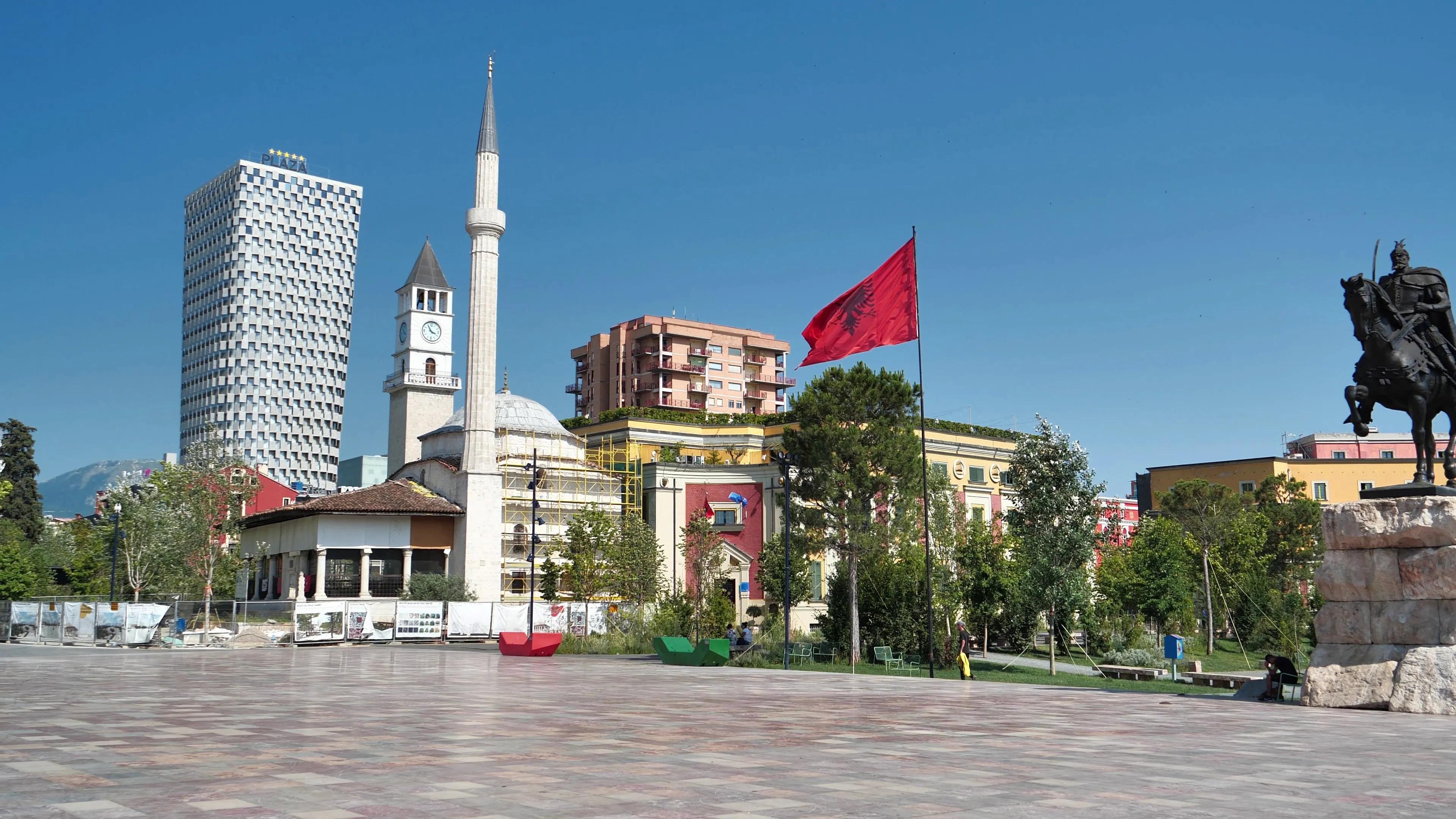
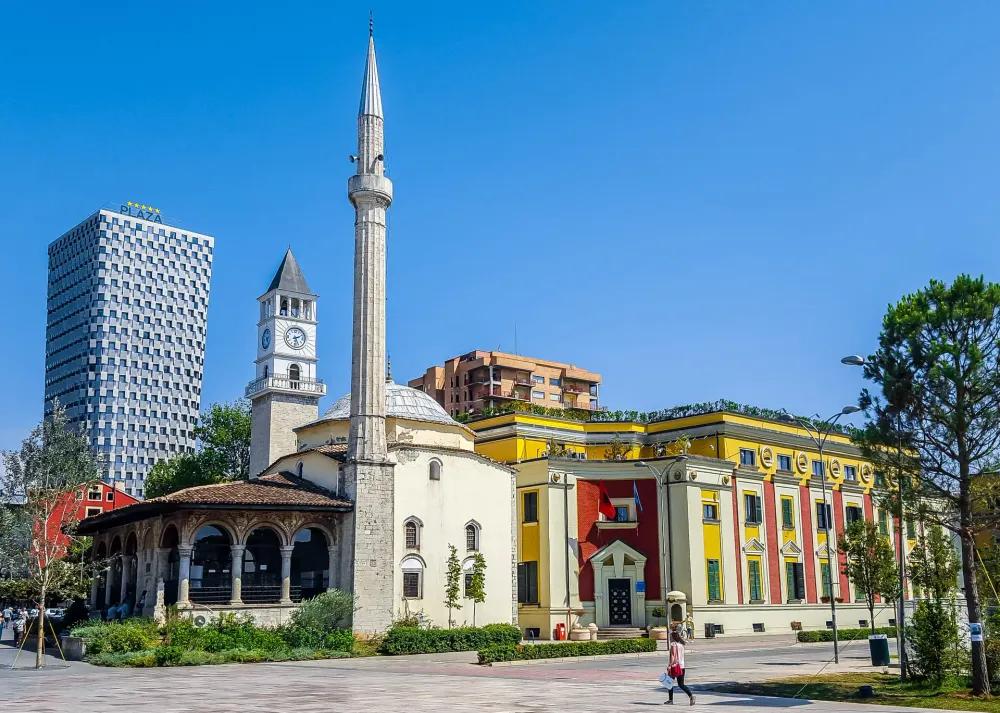
The Et'hem Bey Mosque ranks among Albania's most exquisite Ottoman-era monuments and serves as one of Tirana's most photographed landmarks. Nestled in the heart of Skanderbeg Square beside the Clock Tower, this elegant mosque has survived centuries of political upheaval to remain a functioning house of worship and architectural treasure.
Exploring Tirana's historic center? Zenith Travel Agency offers guided cultural tours that bring the fascinating stories of Et'hem Bey Mosque and surrounding Ottoman landmarks to life through expert local knowledge.
A Rare Ottoman Survivor
Construction of the Et'hem Bey Mosque began in 1789 under Molla Bey and was completed in 1821 by his son, Haxhi Et'hem Bey—for whom the mosque is named. This 32-year construction period allowed craftsmen to create uncommonly detailed decorative work that sets this mosque apart from others in Albania.
What makes the mosque particularly significant is its survival through Albania's communist period (1944-1991), when religious practice was banned and hundreds of mosques, churches, and monasteries were destroyed. The Et'hem Bey Mosque was spared demolition, allegedly because of its recognized historical and artistic value, though it remained closed for worship until 1991.
Artistic Treasures Within
Exceptional Frescoes and Decoration
The mosque's interior contains some of the finest Islamic artistic work in the Balkans. Unlike many Ottoman mosques that feature primarily geometric and calligraphic decoration, Et'hem Bey Mosque includes rare figurative elements:
- Landscape frescoes depicting trees, bridges, and waterfalls
- Floral motifs covering walls and ceiling in vibrant colors
- Arabic calligraphy featuring Quranic verses in elegant scripts
- Natural scenes unusual in Islamic religious architecture
These frescoes demonstrate the artistic freedom Albanian craftsmen enjoyed during this period and represent a unique blend of Ottoman Islamic traditions with local artistic sensibilities.
Architectural Features
The mosque exemplifies classic Ottoman design adapted to Albanian context:
- Central prayer hall with elegant proportions and natural lighting
- Carved wooden elements including the mihrab (prayer niche) and minbar (pulpit)
- Painted ceilings with intricate geometric patterns
- Small dome allowing light to illuminate the prayer space
- Portico providing covered entrance area
The building's modest size creates an intimate atmosphere that larger imperial mosques lack, making it feel welcoming and accessible to visitors.
The Historic Minaret
The mosque's slender minaret rises gracefully beside the main building, offering one of Tirana's most recognizable silhouettes. Though not open to public climbing, the minaret's architectural elegance contributes significantly to the mosque's visual appeal and historic character.
The minaret features a balcony (şerefe) from which the call to prayer (adhan) traditionally rang out five times daily—a practice that resumed after religious freedom returned to Albania in 1991.
Symbol of Religious Freedom
On January 18, 1991, the Et'hem Bey Mosque became a powerful symbol of Albania's transition to democracy when 10,000 people attended Friday prayers despite government prohibition—marking the effective end of Albania's ban on religious practice. This peaceful demonstration of faith without violent confrontation represented a watershed moment in Albanian history.
Today, the mosque functions as an active place of worship while welcoming respectful visitors of all backgrounds, embodying Albania's tradition of religious tolerance.
Visiting Et'hem Bey Mosque
Location and Access
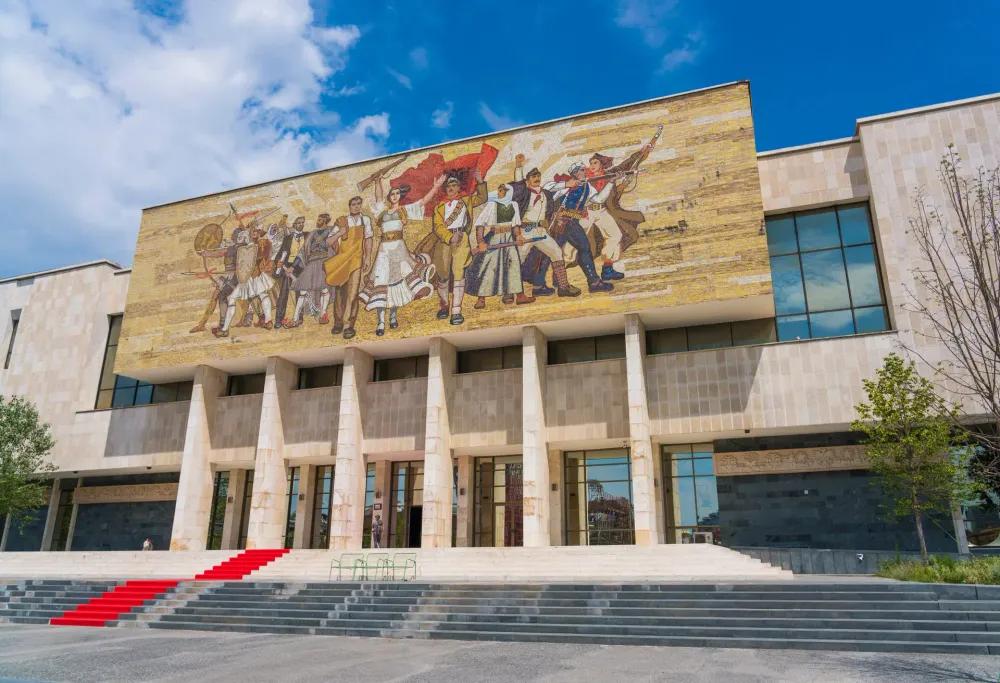
The mosque occupies a prominent position on Skanderbeg Square's eastern side, directly beside the Clock Tower and facing the National Historical Museum. Its central location makes it an easy addition to any Tirana walking tour.
Address: Sheshi Skënderbej, Tirana, Albania
Opening Hours and Admission
Hours:
- Open daily except during prayer times
- Best visiting hours: 9:00 AM - 12:00 PM and 2:00 PM - 4:00 PM
- Friday: Limited access due to midday congregational prayers
Admission: Free (donations welcome)
Prayer Times: The mosque closes briefly five times daily for prayers. Visitors should avoid these times or wait respectfully until prayers conclude.
Visitor Guidelines
As an active house of worship, the Et'hem Bey Mosque requires respectful behavior:
Dress Code:
- Modest clothing covering shoulders and knees (required for all visitors)
- Women should cover hair with provided scarves
- Shoes must be removed before entering the prayer hall
Behavior:
- Speak quietly and turn off mobile phone ringers
- Photography is generally permitted but ask permission first
- Avoid visiting during prayer times
- Be mindful that this is a sacred space for worshippers
What to Bring:
- Modest clothing (no shorts or sleeveless tops)
- Socks (floor can be cold)
- Small donation if you wish to contribute
Best Times to Visit
Early Morning (9:00-11:00 AM): Peaceful atmosphere with beautiful morning light illuminating the frescoes.
Weekdays: Generally quieter than weekends, allowing more contemplative viewing of the artwork.
Avoid Friday Midday: The main congregational prayer draws large crowds and restricts visitor access.
Combining Your Visit
The mosque's location in Skanderbeg Square makes it easy to combine with other attractions:
Immediately Adjacent:
- Clock Tower (2 minutes) - Climb for panoramic city views
- Skanderbeg Square - Albania's main plaza
- National Historical Museum (3 minutes) - Comprehensive Albanian history
Within Walking Distance:
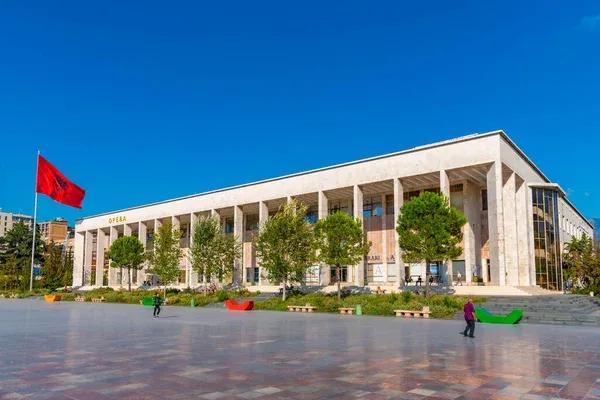
- Palace of Culture (5 minutes) - Opera and cultural center
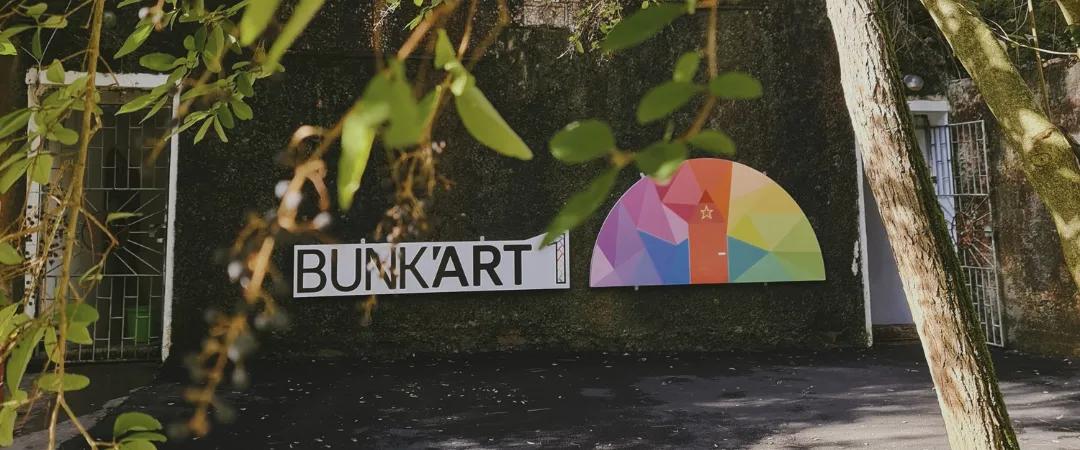
- Bunk'Art 2 (10 minutes) - Communist history museum
- Tanner's Bridge (8 minutes) - Ottoman-era stone bridge
Cultural Context
The Et'hem Bey Mosque represents more than architectural beauty—it embodies Albania's complex relationship with religion and history. During the Ottoman period (1385-1912), approximately 70% of Albanians converted to Islam, though religious practice remained relatively moderate compared to other Ottoman territories.
Albania's communist regime (1944-1991) attempted to eliminate religion entirely, declaring Albania the world's first atheist state in 1967. The survival of Et'hem Bey Mosque through this period, and its role in Albania's religious revival, makes it a powerful symbol of cultural continuity.
Today, Albania maintains one of Europe's most religiously tolerant societies, with mosques, Orthodox churches, and Catholic churches often standing near each other in peaceful coexistence—a tradition the Et'hem Bey Mosque helps represent.
Photography and Art
The mosque's exterior and interior provide excellent photography opportunities:
Exterior Shots:
- The mosque with Clock Tower and National Historical Museum in frame
- The minaret against Skanderbeg Square
- Evening shots with illumination
Interior Photography:
- Ceiling frescoes and painted decorations
- Mihrab and minbar details
- Natural light effects through windows
Remember to ask permission before photographing inside, especially if worshippers are present, and never photograph people praying without explicit consent.
Why Visit Et'hem Bey Mosque
Architectural Excellence
The mosque represents Ottoman architecture at its most refined, with proportions, decoration, and craftsmanship that rival much larger and more famous examples. For anyone interested in Islamic art and architecture, this small mosque offers surprisingly rich artistic rewards.
Historical Significance
Few buildings in Tirana can match the Et'hem Bey Mosque's historical importance—from its 18th-century construction through communist persecution to its role in Albania's democratic transition. The building itself tells Albania's story.
Accessible Cultural Experience
Unlike some historic mosques that function primarily as museums, Et'hem Bey remains an active place of worship, providing authentic cultural experience. Respectful visitors can witness Islamic traditions practiced in contemporary Albania while appreciating extraordinary artistic heritage.
Central Location
The mosque's position in Skanderbeg Square makes it an effortless addition to any Tirana itinerary. Even travelers with limited time can spend 20-30 minutes experiencing this architectural gem.
For more information about Albania's Islamic heritage and historic mosques, visit the Albanian Muslim Community, which provides resources about Muslim culture and religious sites throughout Albania.
Explore More Historical Sites
Uncover more historical sites spots that intrigue you.

Discover the Charm of Tirana
Explore top-rated spots, art, and culture in Tirana.