Palace of Culture
Entertainment
Essential Info
Opening Hours
About
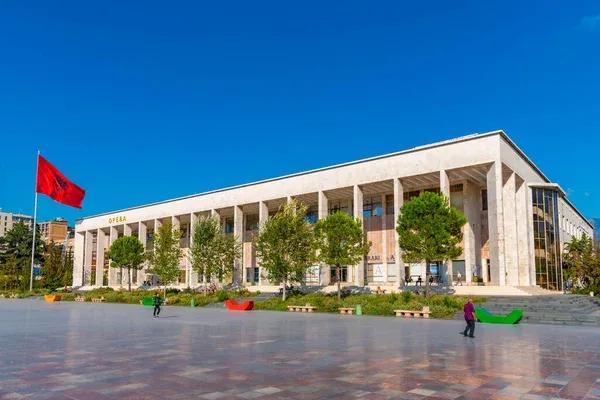
The Palace of Culture stands as Tirana's premier cultural institution and one of Albania's most significant architectural landmarks. Located prominently on Skanderbeg Square, this imposing structure has served as the beating heart of Albanian arts, culture, and intellectual life since its inauguration in 1963.
The Crown Jewel of Socialist Architecture
The Palace of Culture Tirana represents one of the finest examples of Soviet-influenced modernist architecture in the Balkans. Designed by a team of architects including Pranvera Hoxha, the building embodies the ambitious cultural vision of Albania's communist era, when the government sought to create monumental spaces for popular education and artistic expression.
The building's design reflects the architectural principles of the 1960s, with clean lines, functional spaces, and an emphasis on grandeur that was typical of socialist public buildings. Despite its origins in Albania's communist period, the Palace of Culture has successfully evolved to remain relevant and beloved by Tiranans across generations.
What Makes the Palace of Culture Special
A Cultural Complex Under One Roof
The Palace of Culture houses multiple important institutions that make it Albania's most comprehensive cultural venue:
- National Theatre of Opera and Ballet: Albania's premier venue for opera, ballet, and classical performances
- National Library of Albania: The country's largest library and research center
- Art Galleries: Rotating exhibitions featuring Albanian and international artists
- Conference Halls: Spaces for intellectual discourse, lectures, and cultural events
- Café Culture: The surrounding area has become a vibrant social hub
This concentration of cultural institutions under one roof creates a unique atmosphere where artists, intellectuals, students, and culture enthusiasts converge daily.
The Iconic Mosaic Mural
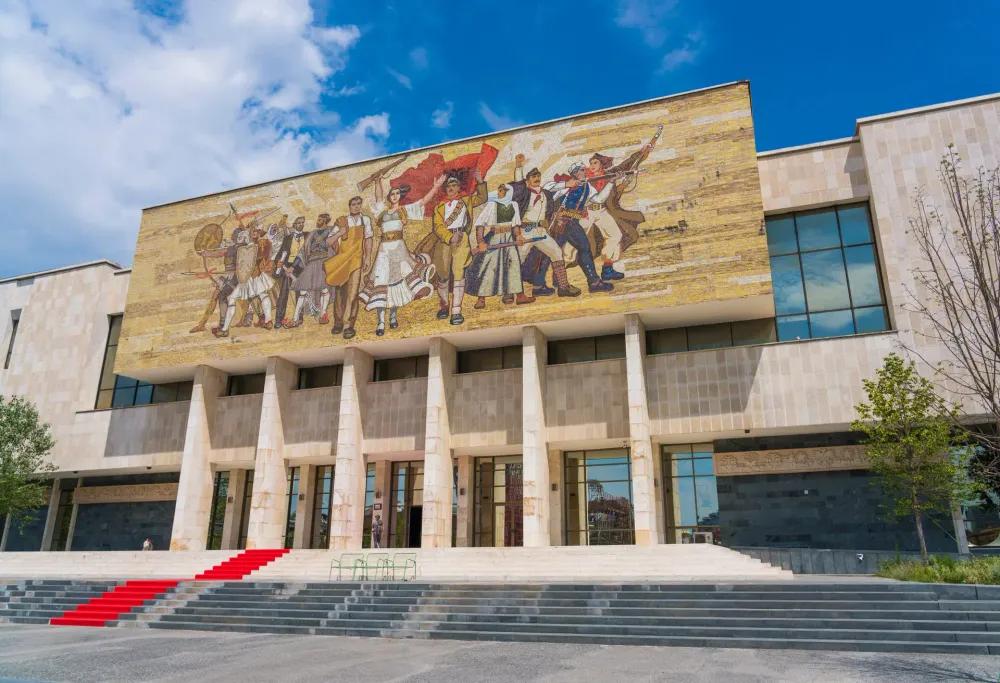
One of the Palace of Culture's most striking features is its enormous socialist-realist mosaic on the exterior façade. Created by Albanian artists in the 1960s, this colorful mosaic depicts scenes of Albanian workers, peasants, intellectuals, and soldiers—representing the unity and progress envisioned during the socialist era.
While controversial to some due to its political origins, the mosaic has become an important piece of Albania's artistic heritage and remains one of Tirana's most photographed landmarks. The artwork provides valuable insight into Albanian socialist aesthetics and the period's artistic ambitions.
The National Theatre: Albania's Stage
The National Theatre of Opera and Ballet, housed within the Palace of Culture, is Albania's most prestigious performing arts venue. The theatre presents:
- Opera performances featuring both classical repertoire and contemporary works
- Ballet productions showcasing Albanian dancers and international choreography
- Classical concerts performed by the Albanian National Orchestra
- Special cultural events during national celebrations and festivals
The theatre's season typically runs from September through June, with performances held several times weekly. The venue's excellent acoustics and intimate atmosphere create memorable experiences for both performers and audiences.
The National Library of Albania
The National Library, occupying a significant portion of the Palace of Culture, serves as Albania's primary research and archival institution. The library contains:
- Over 1 million books and periodicals
- Rare manuscripts and historical documents
- Albanian literature collections spanning centuries
- Digital archives and modern research facilities
- Reading rooms and study spaces for students and researchers
The library plays a crucial role in preserving Albanian literary heritage while providing modern information services to the public. Students, academics, and curious visitors can access materials that tell the story of Albanian culture and intellectual history.
The Surrounding Cultural Scene
The area around the Palace of Culture has evolved into one of Tirana's most vibrant cultural districts. The building faces Skanderbeg Square, putting it at the geographic and social center of the capital.
Café Culture and Social Life
The terraces and gardens surrounding the Palace of Culture have become popular gathering spots. Numerous cafés and restaurants line the area, creating an atmosphere where people meet to discuss ideas, enjoy coffee, and people-watch in the heart of Tirana.
Events and Festivals
The Palace of Culture and its surrounding plaza regularly host:
- Music festivals featuring Albanian and international artists
- Book fairs and literary events
- Art exhibitions both inside galleries and in outdoor spaces
- National celebrations during important Albanian holidays
- Street performances and cultural happenings
These events transform the area into a dynamic public space that reflects contemporary Albanian culture.
Visiting the Palace of Culture
Location and Access
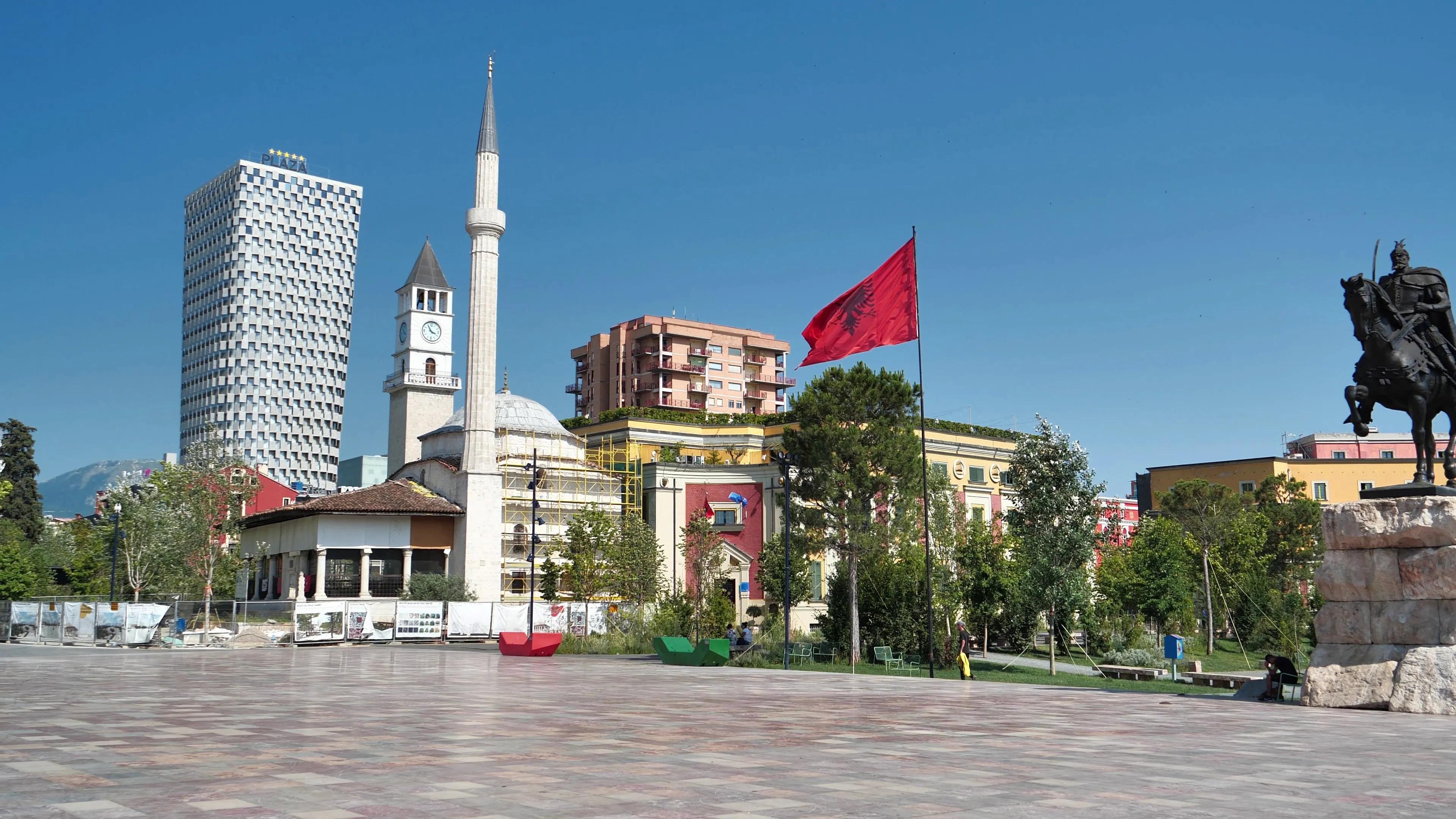
The Palace of Culture enjoys a prime location on the eastern side of Skanderbeg Square, making it easily accessible from anywhere in central Tirana. The building is within walking distance of most major hotels, and its prominent position makes it impossible to miss.
Address: Sheshi Skënderbej, Tirana, Albania
What to Experience
Check the Performance Schedule: Visit the National Theatre box office or check online for upcoming opera, ballet, and concert performances. Tickets are reasonably priced compared to Western European venues, making it accessible to experience world-class performances.
Explore the Mosaic: Take time to appreciate the massive socialist-realist mosaic on the building's exterior. This artwork provides a fascinating window into Albania's artistic and political history.
Visit the Library: The National Library welcomes visitors interested in Albanian culture and history. The reading rooms offer a quiet refuge from Tirana's bustling streets.
Enjoy the Surroundings: The area around the Palace of Culture is perfect for people-watching. Grab a coffee at one of the nearby cafés and soak in the atmosphere of Tirana's cultural center.
Cultural Significance Today
The Palace of Culture represents an interesting example of how Albanian society has engaged with its socialist architectural heritage. Rather than demolishing the building after the fall of communism—as happened with many socialist-era structures—Albanians have preserved and continued using the Palace of Culture, recognizing its cultural value beyond its political origins.
Today, the building serves as a bridge between Albania's past and present. It honors the country's cultural achievements while adapting to contemporary needs. Young Albanians study in its library, families attend performances together, and artists continue creating within its walls.
The Palace in Albanian Life
For Tiranans, the Palace of Culture is far more than a tourist attraction—it's a living part of daily life. Generations of Albanians have significant memories associated with the building:
- Students have spent countless hours researching in the National Library
- Couples remember first dates at the Opera
- Families have attended performances together during special occasions
- Intellectuals have gathered for lectures and discussions
- Artists have exhibited their work in the galleries
This deep integration into Albanian cultural life gives the Palace of Culture an authenticity that pure tourist attractions often lack.
Practical Information
Opening Hours:
- National Library: Monday-Saturday, 8:00 AM - 8:00 PM
- Theatre Box Office: Monday-Saturday, 10:00 AM - 6:00 PM
- Galleries: Tuesday-Sunday, 10:00 AM - 6:00 PM
Admission:
- Exterior and public spaces: Free
- Theatre performances: €5-15 depending on the show
- Library access: Free
- Gallery exhibitions: Usually free
Photography: Exterior photography is welcome. Interior photography rules vary by space—check with staff.
Why Visit the Palace of Culture
The Palace of Culture offers visitors a unique opportunity to experience Albanian cultural life beyond tourist attractions. Unlike museums that preserve the past, this is a living, breathing cultural institution where Albanians actively engage with arts and ideas.
Whether you attend a world-class opera performance, explore the National Library's collections, or simply enjoy coffee while admiring the socialist-era architecture, the Palace of Culture provides authentic insights into Albanian culture, history, and contemporary life.
For more information about Albania's cultural heritage and arts scene, visit the Albanian Ministry of Culture, which provides comprehensive resources about the country's cultural institutions and programming.
Explore More Entertainment
Uncover more entertainment spots that intrigue you.

Discover the Charm of Tirana
Let Tirana inspire your next adventure.