National Historical Museum
Museums
Essential Info
Contact Information
About
The National Historical Museum dominates the northern side of Skanderbeg Square as Albania's largest and most comprehensive museum. Established in 1981, this imposing structure houses the country's most extensive collection of artifacts, spanning from the Paleolithic era through modern times, making it an essential destination for anyone seeking to understand Albania's rich and complex past.
Planning your visit to Tirana's historic landmarks? Zenith Travel Agency offers expertly guided tours that bring Albania's fascinating history to life, including comprehensive explorations of the National Historical Museum and other cultural treasures throughout the capital.
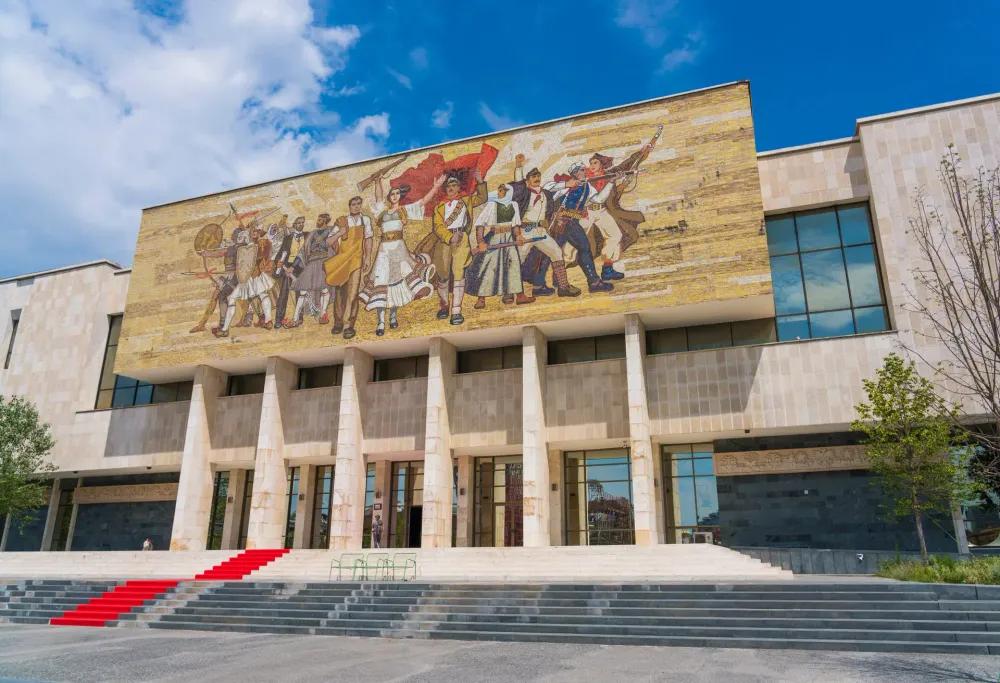
The Iconic Socialist Mosaic
Before entering the museum, visitors are greeted by one of Tirana's most photographed landmarks—a massive socialist-realist mosaic covering the museum's façade. Created by Albanian artists in the 1980s, this stunning artwork titled "The Albanians" depicts key moments and figures from Albanian history, from ancient Illyrian warriors to World War II partisans. The mosaic's vivid colors and heroic imagery provide a striking introduction to the historical narratives contained within.
This architectural artwork has become an iconic symbol of Tirana itself, representing Albania's journey through time while serving as a remarkable example of socialist-era public art.
Journey Through Albanian History
The National Historical Museum Tirana organizes its extensive collection across multiple pavilions, each dedicated to a specific period or theme in Albanian history. The museum's chronological layout allows visitors to experience Albania's story from ancient times to the present day.
Pavilion of Antiquity
The museum's archaeological collection showcases Albania's ancient civilizations, with particular emphasis on the Illyrian tribes who inhabited the region from the Bronze Age onward. Highlights include:
- Illyrian artifacts including weapons, jewelry, and pottery dating back thousands of years
- Greek and Roman exhibits demonstrating the cultural exchange along the Adriatic coast
- The Apollonia treasures featuring artifacts from one of ancient Epirus's most important cities
- Bronze Age tools and weapons revealing early metalworking techniques
The Apollonia collection particularly impresses visitors, with beautifully preserved statues, mosaics, and architectural fragments from this significant ancient Greek colony that flourished on Albanian soil.
Pavilion of the Middle Ages
This section illuminates Albania's medieval period, showcasing the rich cultural heritage developed under Byzantine, Bulgarian, and Serbian influence before Ottoman conquest. The collection features:
- Religious icons and frescoes representing Albanian Orthodox and Catholic traditions
- Medieval manuscripts including illuminated religious texts in Albanian, Greek, and Latin
- Architectural elements from important medieval churches and fortresses
- Artifacts from Skanderbeg's era connecting to Albania's national hero
The medieval collection demonstrates Albania's position as a cultural crossroads where Eastern and Western Christian traditions met and merged, creating unique artistic expressions.
Renaissance Pavilion
The Renaissance section documents Albania's cultural flowering during the 15th and 16th centuries, despite Ottoman occupation. This pavilion highlights:
- The Albanian language's development through rare manuscripts and early printed books
- Religious art created by Albanian masters working in Venice and other Italian cities
- Traditional costumes and textiles showing regional diversity
- Weapons and armor from the period of resistance against Ottoman expansion
This collection emphasizes how Albanians maintained their cultural identity and contributed to broader European Renaissance movements even during centuries of foreign rule.
Iconography Pavilion
Albania's exceptional tradition of icon painting receives special attention in this dedicated space. The collection includes:
- Byzantine-style icons from Albanian Orthodox churches
- Post-Byzantine works by renowned Albanian masters like Onufri and the Zografi family
- Catholic religious art from northern Albanian regions
- Comparison pieces showing the evolution of Albanian iconographic styles
The icon collection ranks among the finest in the Balkans, demonstrating Albania's significant contributions to Orthodox Christian art traditions.
Pavilion of National Independence
This powerful section documents Albania's struggle for independence and the creation of the modern Albanian state. Key exhibits include:
- The Albanian National Renaissance movement and its key figures
- Artifacts from the 1912 independence declaration in Vlorë
- Documents and photographs from the London Conference that recognized Albanian sovereignty
- Personal effects of independence leaders including Ismail Qemali and other patriots
The independence pavilion resonates deeply with Albanian visitors while providing international guests with insights into the nation's fight for self-determination.
Pavilion of the Anti-Fascist War
This section chronicles Albania's resistance during World War II, when the country endured Italian and German occupation. The exhibits present:
- Partisan weapons and equipment used by resistance fighters
- Photographs and documents from the National Liberation Movement
- Personal stories of resistance heroes and civilian experiences
- Liberation artifacts commemorating Albania's liberation in 1944
While reflecting the communist perspective under which it was created, this pavilion documents genuine sacrifice and courage during a crucial period in Albanian history.
Ethnography Pavilion
The ethnographic collection celebrates Albania's rich folk traditions and regional diversity:
- Traditional costumes from all regions showing remarkable variety in style and decoration
- Household items and tools illustrating daily life in rural Albania
- Musical instruments representing Albanian folk music traditions
- Crafts and textiles including intricate embroidery and weaving
This pavilion provides valuable insights into the customs, beliefs, and material culture that shaped Albanian life for centuries.
Mother Teresa Memorial Room
A special exhibition honors Albania's most famous daughter, Mother Teresa (born Anjezë Gonxhe Bojaxhiu in Skopje to an Albanian family). This moving tribute includes:
- Personal items and photographs from her life
- Awards and honors received during her humanitarian work
- Documentation of her Albanian heritage and connection to her homeland
- Her Nobel Peace Prize citation and other international recognitions
This memorial allows Albanians to celebrate their connection to one of history's most revered humanitarian figures.
Visitor Tips
Arrive early: The museum gets crowded during peak tourist season (June-September), particularly on weekends. Morning visits offer a more peaceful experience.
Photography rules: Flash photography is prohibited to protect artifacts. Many visitors purchase the photography permit to capture favorite pieces.
Comfortable shoes: The museum requires significant walking across multiple floors. Wear comfortable footwear.
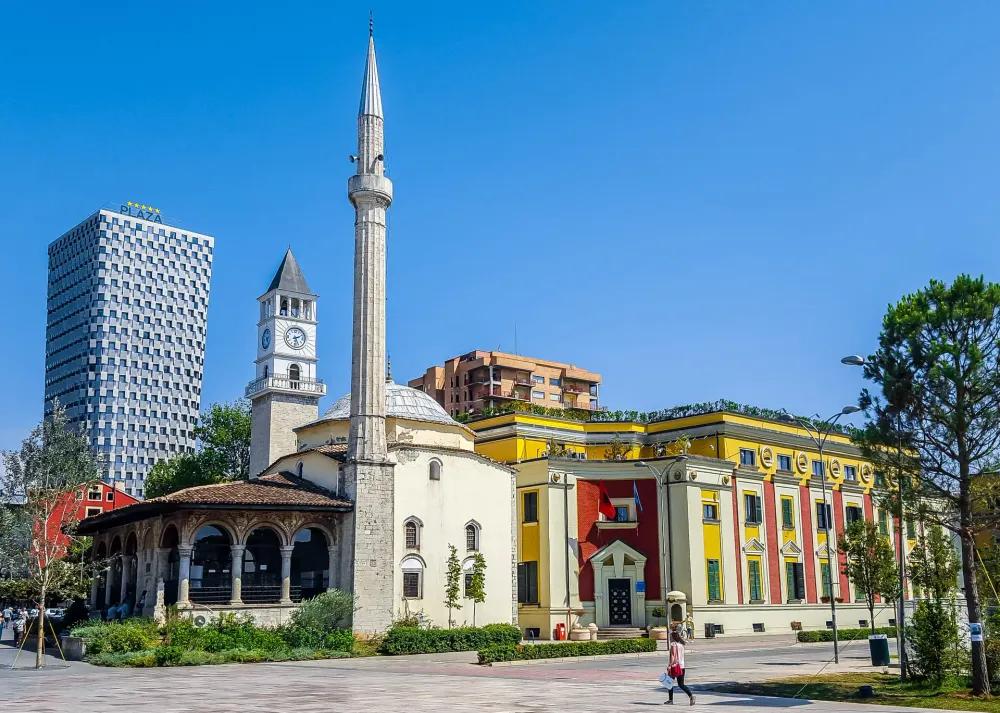
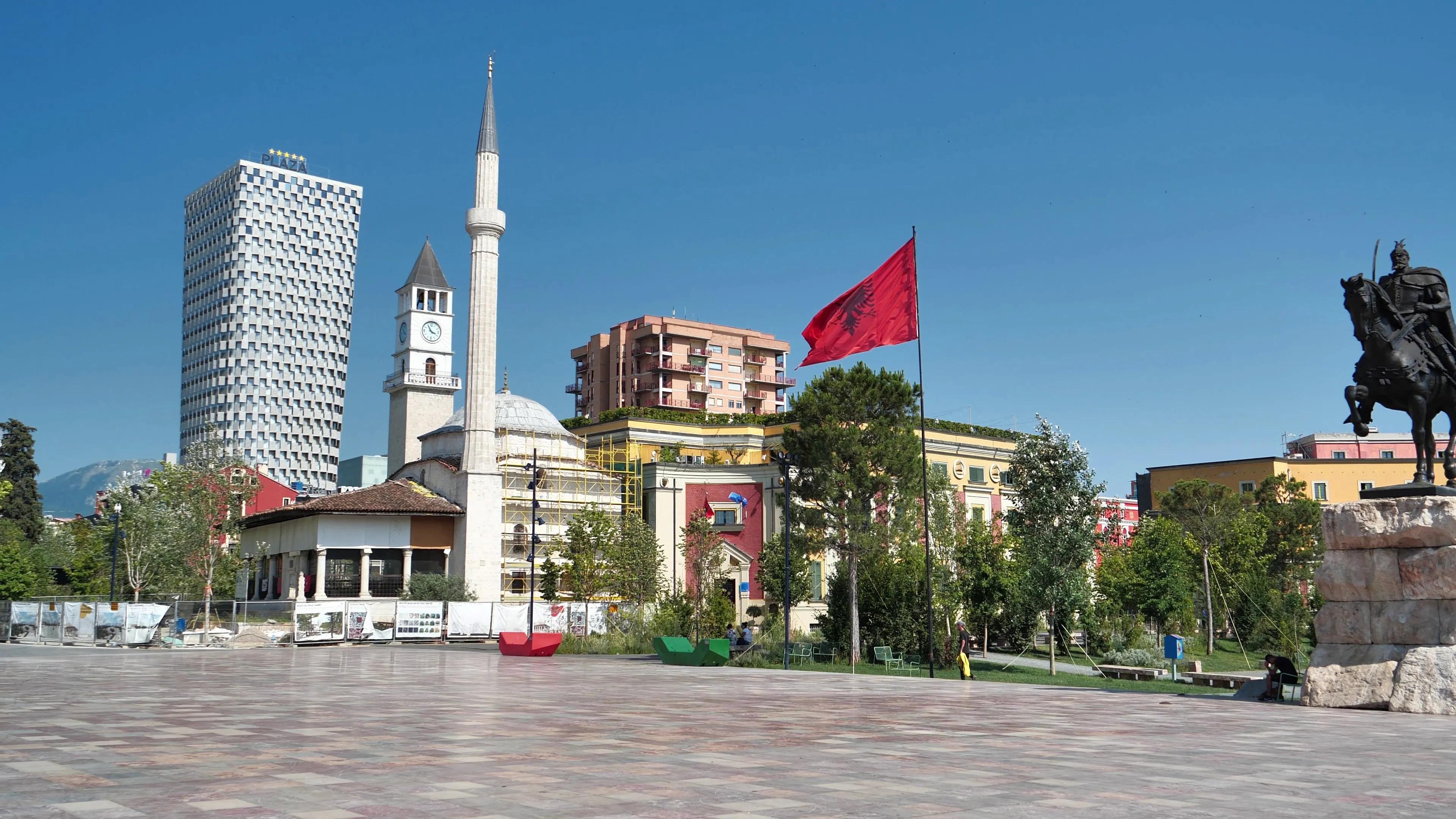
Combine with Square exploration: After the museum, explore the surrounding Skanderbeg Square area, including the Et'hem Bey Mosque, Clock Tower, and other nearby attractions.
Why Visit the National Historical Museum
Comprehensive Historical Overview
The National Historical Museum offers the most complete introduction to Albanian history available anywhere. Rather than piecing together the Albanian story from scattered sources, visitors can experience 8,000 years of continuous habitation and cultural development in a single, well-organized space.
For travelers with limited time in Albania, this museum provides essential context for understanding what they see throughout the country—from ancient ruins to Ottoman architecture to communist-era monuments.
World-Class Archaeological Collection
Albania's archaeological wealth rivals any Mediterranean nation, and the National Historical Museum showcases the finest examples. The Illyrian artifacts, Greek and Roman treasures, and medieval pieces represent discoveries from world-famous sites like Butrint, Apollonia, and Durrës.
Archaeology enthusiasts will find specimens comparable to those in much larger international museums, often with the advantage of being able to see artifacts in the country where they originated.
Cultural Understanding
Beyond objects and dates, the museum illuminates the Albanian character—resilience in the face of foreign domination, fierce independence, religious tolerance, and cultural pride. These themes echo throughout Albanian history and continue shaping modern Albania.
Understanding this historical context transforms a tourist's experience of Albania from merely seeing sights to comprehending the deeper meanings behind them.
Combining Your Museum Visit
Nearby Attractions (Walking Distance)
After exploring the National Historical Museum, other Skanderbeg Square landmarks are mere steps away:
- Et'hem Bey Mosque (2 minutes) - Beautiful Ottoman architecture
- Tirana Clock Tower (2 minutes) - Climb for panoramic views
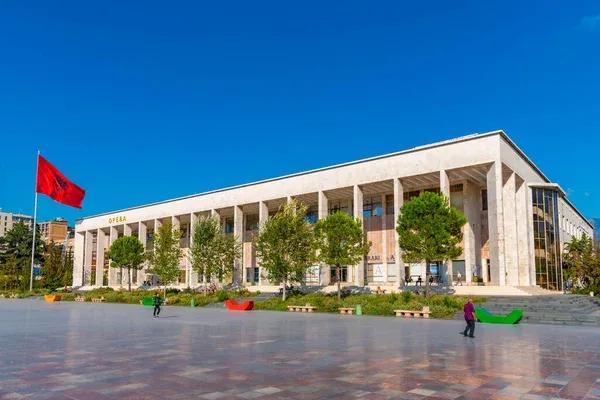
- Palace of Culture (3 minutes) - Opera house and cultural center
- National Gallery of Arts (5 minutes) - Albanian fine arts
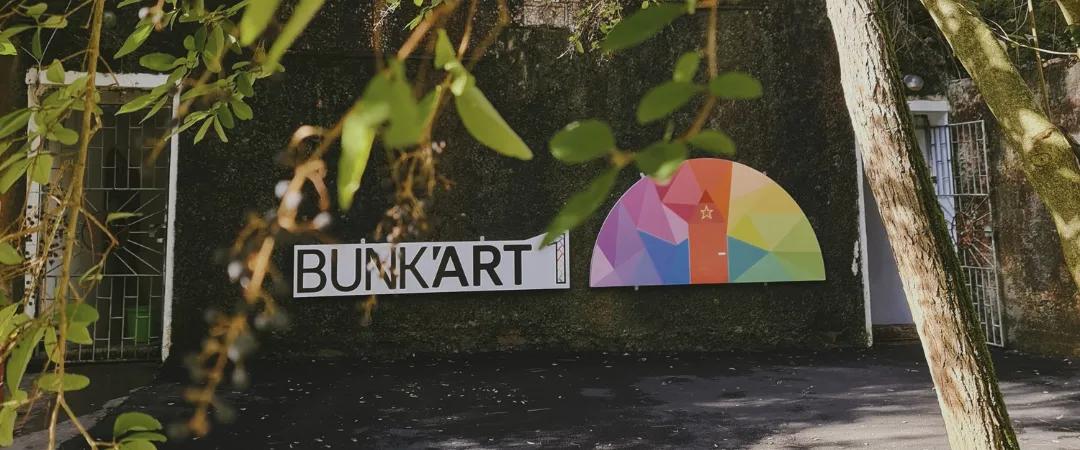
- Bunk'Art 2 (10 minutes) - Communist history museum
Professional Guided Tours
Zenith Travel Agency offers comprehensive Tirana cultural tours that combine the National Historical Museum with other significant sites, providing a complete understanding of Albanian heritage. Our expert guides offer the historical context, fascinating stories, and local insights that transform sightseeing into genuine cultural understanding.
The Museum's Role in Albanian Tourism
The National Historical Museum serves as an ideal starting point for exploring Albania. By understanding the country's long history—from ancient Illyrians through medieval kingdoms to Ottoman rule and communist dictatorship to modern democracy—visitors gain the framework needed to appreciate Albania's complexity and richness.
Many travelers report that their museum visit fundamentally changed their Albanian experience, transforming confusion about unfamiliar names and periods into clarity and genuine appreciation for this remarkable nation's journey through time.
For more information about Albania's museums and cultural heritage, visit the Albanian Ministry of Culture, which provides comprehensive resources about the country's museums, archaeological sites, and cultural programming.
Explore More Museums
Uncover more museums spots that intrigue you.
.jpg&w=3840&q=75)

Tirana Awaits Your Discovery
Uncover hidden treasures in Tirana.